
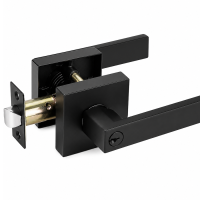
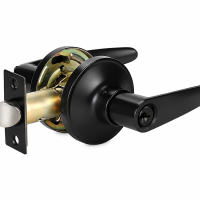
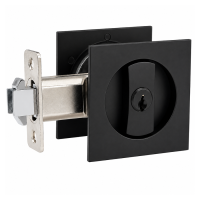
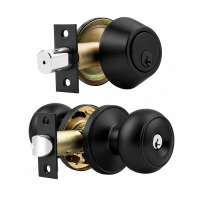

Every lock catalogue quotes a grade and almost none of them explain it. ANSI/BHMA grades come from measured tests — cycles, torque, impact and finish — not from a marketing ladder.
What is being tested
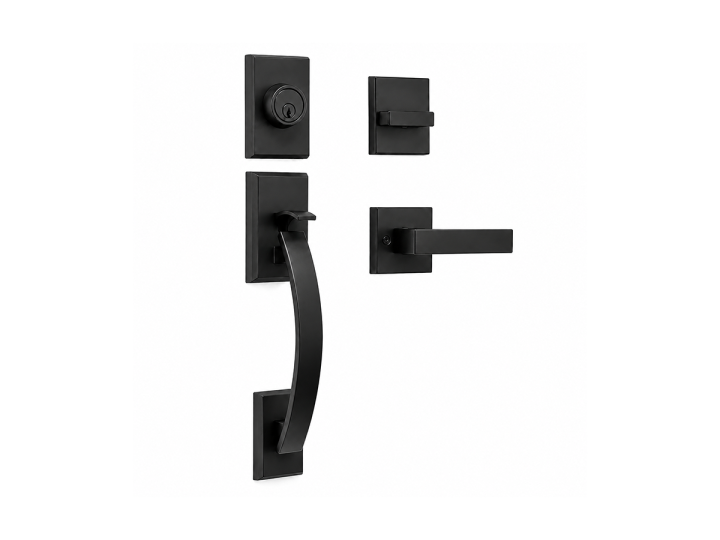
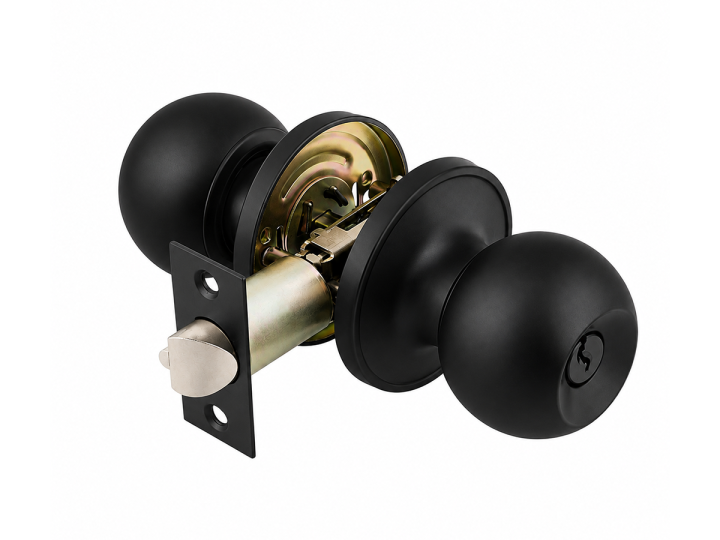
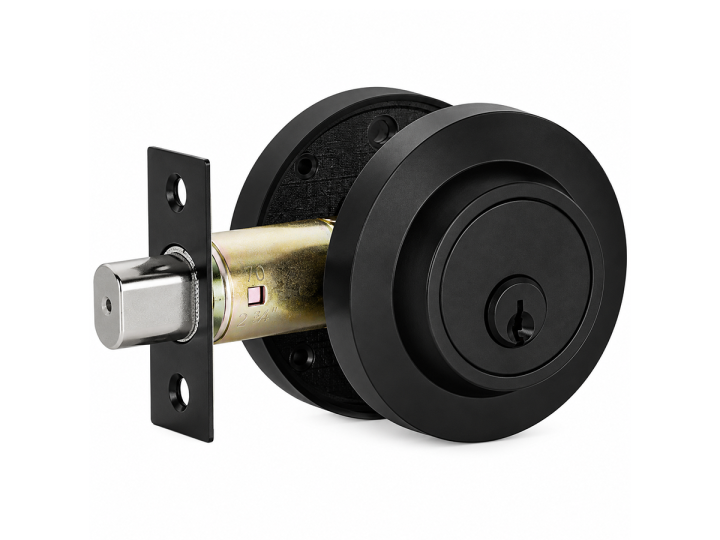
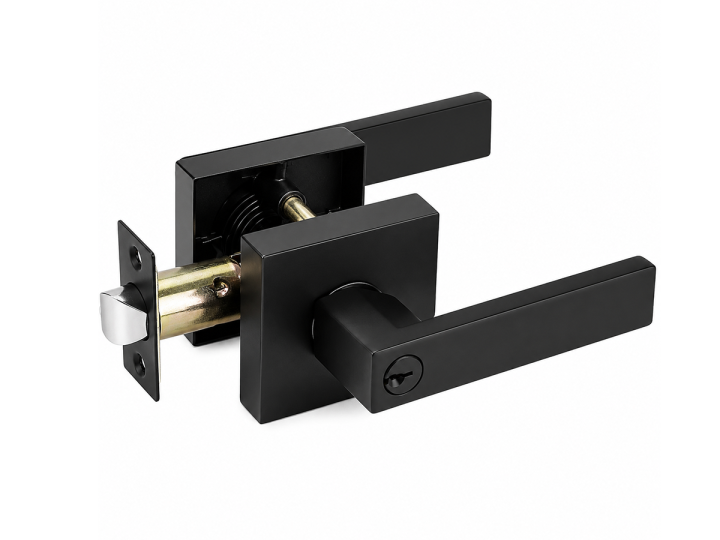
A156.2 covers bored and preassembled locks. The lock is cycled on a rig, then subjected to torque on the lever, impact on the face and a finish test. The grade is the band all of those results fall into. A156.5 does the same for auxiliary locks — deadbolts and handlesets — where bolt throw and pull resistance matter more than cycle count.
The three grades in practice
- Grade 1 — heavy commercial. Hospitals, schools, airports. Highest cycle count and torque resistance, and priced accordingly.
- Grade 2 — light commercial and premium residential. The band our Series 4000 chassis is certified in. Comfortably beyond what a house or a hotel guest room will ever see.
- Grade 3 — basic residential. Adequate for interior doors, thin for an entrance.
Where Grade 2 is the right specification
Residential entrances, apartment doors, hotel guest rooms, small offices, clinics and retail units. Specify Grade 1 for a door that a hundred people push through every day; specifying it for a bedroom adds cost the client will never feel.
A grade is not a finish warranty
The finish is tested separately, to ASTM B117. A Grade 2 lock in a coated finish on a coastal door will pass its cycle test happily and still look tired in two years. Grade tells you about the mechanism; salt spray hours tell you about the surface.
What to ask a supplier
Ask for the certificate number and the series it covers, not a logo on a PDF. Ask which specific models the certification applies to — it is common for a range to be certified on one chassis and quietly extended in the marketing to models that share nothing but a lever shape.



Leave a Reply