
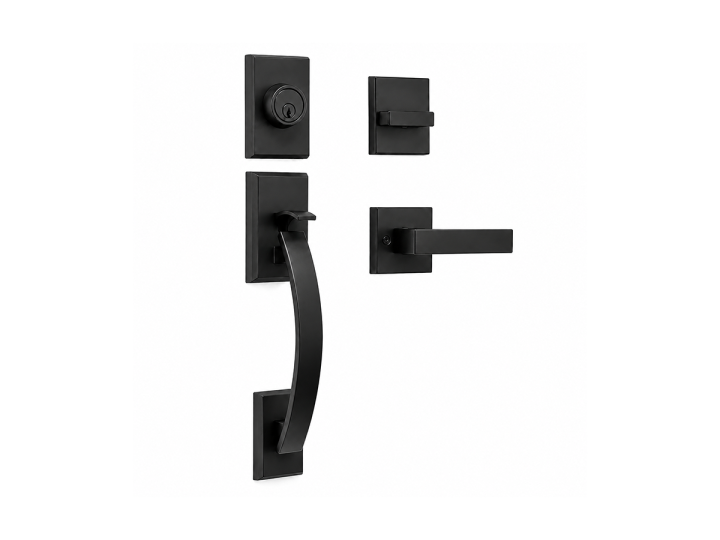
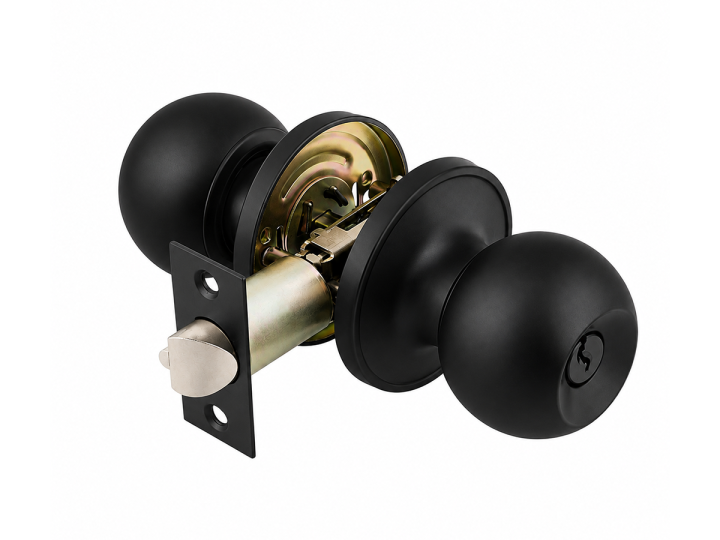
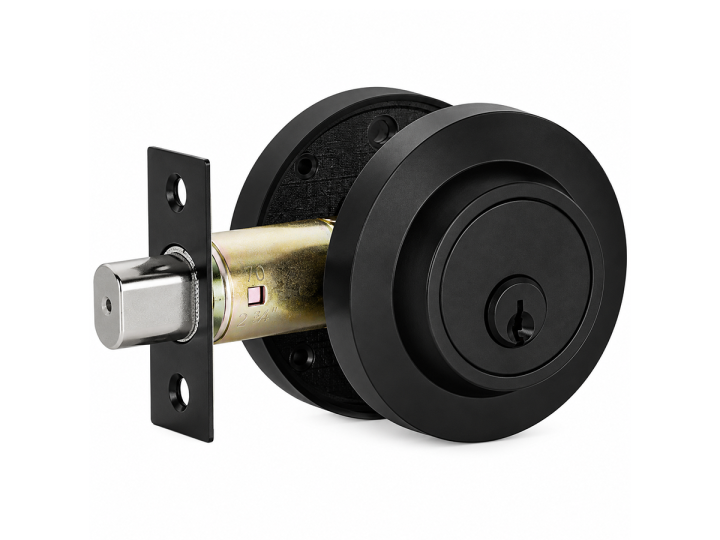
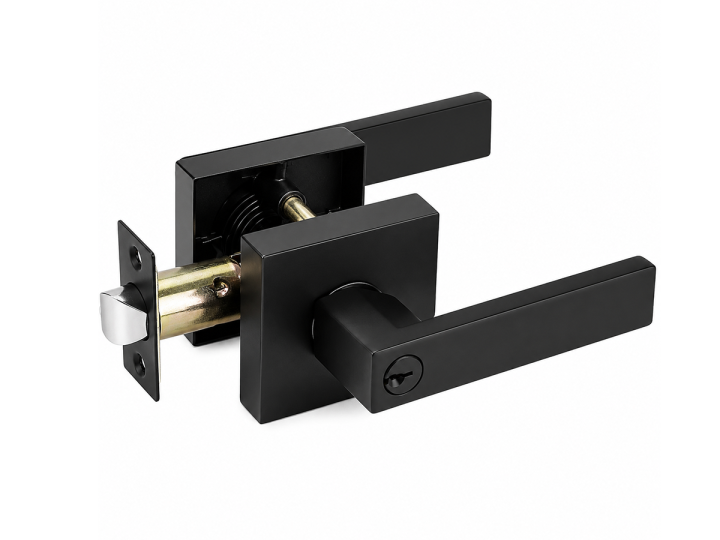
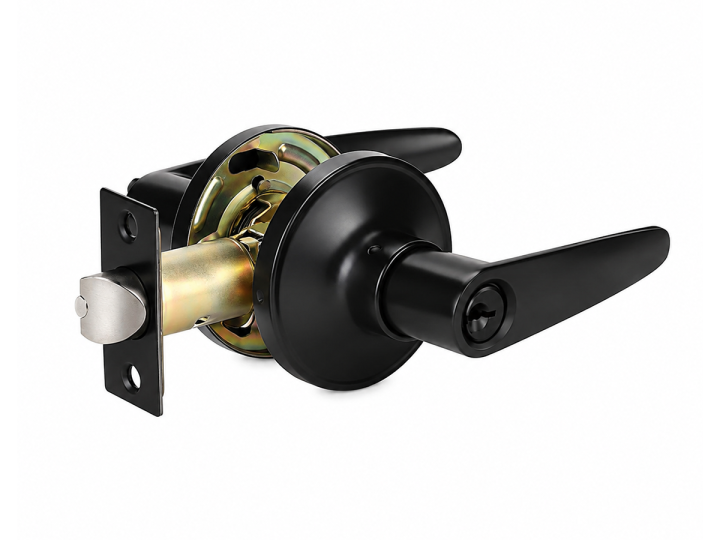
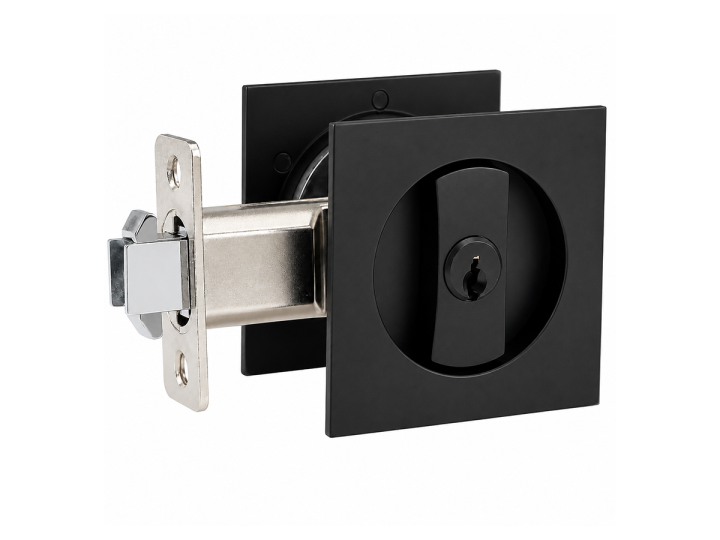
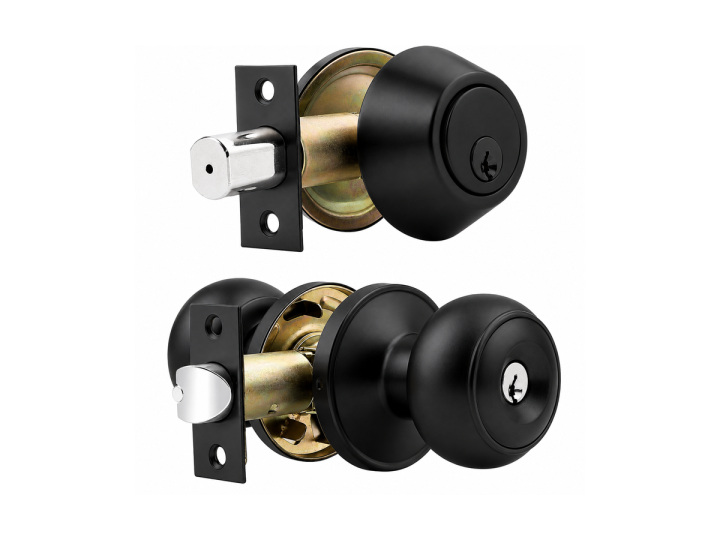
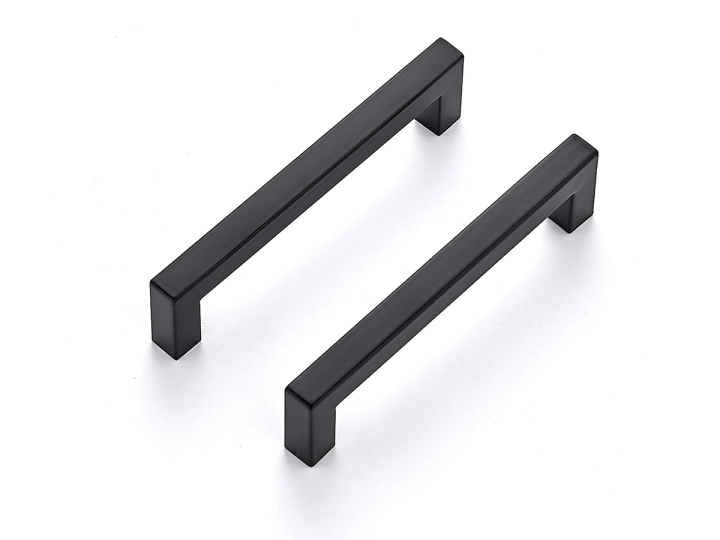
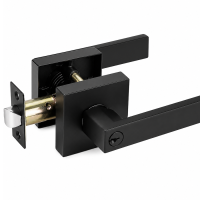
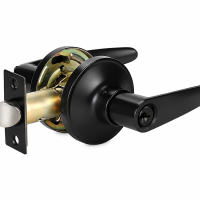
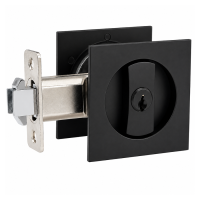
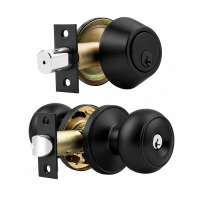
A minimum order quantity is not a negotiating position invented at the sales desk; it is the point below which a specific setup on the factory floor stops paying for itself.
Where MOQ actually comes from
A lockset passes through several stations where changing from one variant to another costs real time. That changeover cost, divided by the number of pieces made after it, is the MOQ argument in its entirety.
- Die casting. Changing a die on an 88–160 ton machine and bringing the shot back into tolerance takes the better part of a shift. Short runs carry that cost.
- Plating. A colour change on a plating line means draining or isolating tanks, changing racks and running scrap parts until the deposit is stable. This is the single biggest driver of finish MOQs, and it is why the eleventh finish in a catalogue costs more per piece than the first.
- Keying. A new keyway means key blanks, cutter setup and pinning kits. A master key system means a chart, dedicated pin stocks and segregated assembly.
- Packaging. Printed cartons and blister cards need plates or dies. Printers have their own minimums, often higher than the factory’s.
- Certification. If a variant needs its own test report, that cost sits on the first order alone.
The practical consequence is that MOQ is rarely a single number. It is usually a number per finish, per keyway and per packaging version. A buyer who orders 3,000 pieces in one finish and one keyway is an easy order; the same 3,000 split eleven ways is not, and the price reflects that whatever the quotation says on its face.
What tooling buys, and when it is worth it
Zinc die-cast tooling is a capital item with a long life. A well-made multi-cavity die will produce hundreds of thousands of parts before it needs refurbishment, so the question is not whether the tool lasts but whether your annual volume justifies owning a shape nobody else has.
Three routes exist, and most first orders should take the first:
| Catalogue model | No tooling cost, shortest lead time, no exclusivity. The right choice for a first order and for testing a market. |
|---|---|
| Catalogue model, modified | Your logo, your packaging, a different rose or a different finish. Modest cost, moderate lead time. Delivers a distinct product without a new die. |
| New tooling | Your own lever or rose shape. Real cost, typically several weeks for the die plus a sample round, and it only pays back over repeat volume. |
If you go for new tooling, settle four things in writing before anything is cut: who owns the tool, where it is stored, what happens to it if the relationship ends, and how many sample rounds are included before the tool is signed off. Expect a first-sample round and at least one correction round; a die that runs perfectly from the first shot is unusual.
Container maths: will you cube out or weigh out?
Door hardware is dense but boxed in air, and the answer usually surprises first-time importers. Nominal internal volumes are around 33 m³ for a 20 ft general purpose container, 67 m³ for a 40 ft GP and 76 m³ for a 40 ft high cube. Practical stowage is lower — assume roughly 80 to 85 per cent of nominal once you account for carton sizes and door clearance.
Work an example with a typical tubular knob lockset:
| Individual box | about 150 x 100 x 90 mm |
|---|---|
| Master carton | 20 sets, about 500 x 400 x 250 mm = 0.05 m³ |
| Carton gross weight | about 18–19 kg |
| 20 ft at 28 m³ usable | about 560 cartons = 11,200 sets, about 10.4 tonnes |
| 40 ft HQ at 64 m³ usable | about 1,280 cartons = 25,600 sets, about 24 tonnes |
Note what that shows. A 20 ft container fills on volume long before it reaches its payload limit, so cutting carton size is worth more than cutting product weight. A 40 ft high cube of locksets, on the other hand, gets close to road weight limits in many countries even though the box is not full by international sea standards — check your inland haulage limit, which is often 24 to 26 tonnes gross and lower again in some regions. Heavier lines such as deadbolts and solid pull handles reach that limit sooner.
Two practical levers on cube: floor-loading instead of palletising typically recovers 10 to 15 per cent of the space, at the cost of slower unloading; and export cartons sized to the pallet footprint waste far less than cartons sized to the product. If you do want pallets, wooden ones need ISPM 15 heat treatment and stamping, and plastic or pressed-wood pallets avoid that entirely.
The commercial frame around the first order
- Incoterms. Use Incoterms 2020 and name the exact place: FOB Zhongshan or FOB Shenzhen is not the same cost as EXW Xiaolan. FOB is the usual starting point for a first order because it splits responsibility at a clean line.
- HS codes. Door locks generally fall under 8301.40, hinges under 8302.10, other builders’ mountings under 8302.41, lock parts under 8301.60 and keys shipped separately under 8301.70. Confirm the full national code with your own customs broker; the first six digits are international, the rest are not.
- Payment. A deposit against the proforma invoice with the balance against copy documents is the common convention. Tie the balance to an inspection result rather than to a date.
- Lead time. Budget separately for sample approval, production, and sailing. Sample rounds are where first orders slip, not production.
- Inspection. Book a pre-shipment inspection while the goods are still in the factory. An AQL sampling plan agreed in the purchase order costs nothing and settles arguments later.
The sample stage decides the schedule
First orders slip at the sample stage far more often than in production, and the reason is almost always that the sample brief was vague. A useful sequence is: catalogue sample first, to confirm the mechanism and the feel; then a finish sample on the actual casting, to fix colour; then a packaging sample; then a pre-production sample that combines all three and is signed by both sides. Each round costs courier time, so ask for them in parallel where they are independent.
Two things are worth paying for at this stage rather than later. One is a signed retain of the approved finish, held by both parties, because colour disputes twelve months on are unresolvable without one. The other is a full function test of the exact keying arrangement you intend to sell, including the key blanks — a master key chart that looks correct on paper and fails on a real cylinder is a discovery best made before 11,000 sets are pinned.
Landed cost, not unit price
Compare offers on landed cost per set, not on the FOB number. Build the sum from unit price, packaging, inland freight to port, ocean freight and surcharges, insurance, duty at your national HS code, customs clearance, port and demurrage risk, inland delivery, and the cost of the stock sitting in your warehouse until it sells. On a low-value, high-cube item like a lockset, freight and duty routinely move the ranking of two quotations that looked five per cent apart at FOB.
What to send us for an accurate quotation
- Model numbers or clear photographs, and the function for each — entrance, privacy, passage, dummy.
- Quantity per model, per finish and per keyway. Split it out; a single total cannot be priced properly.
- Backset and door thickness.
- Finish codes, and whether a master sample exists.
- Keying requirement: keyed alike, keyed different, master keyed, and how many keys per lock.
- Packaging: neutral carton, your printed box, blister card, barcode format, and any language or regulatory text needed.
- Destination port, Incoterm, and any target sailing date.
- Certification you need copies of at shipment.
Leave a Reply