
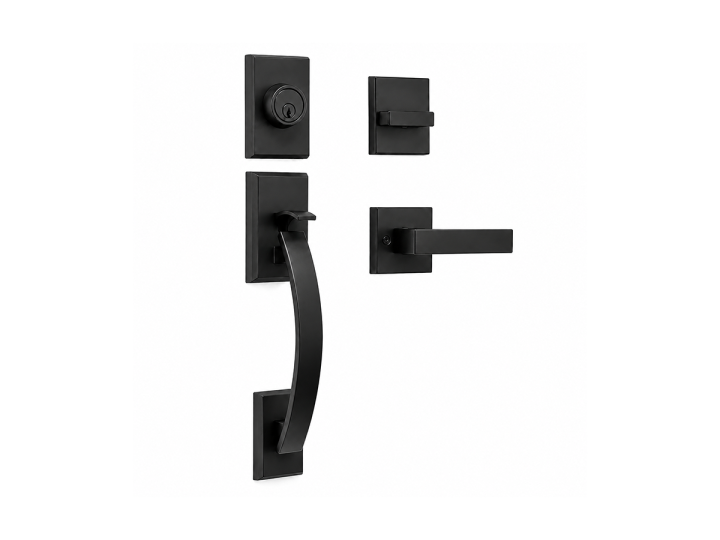
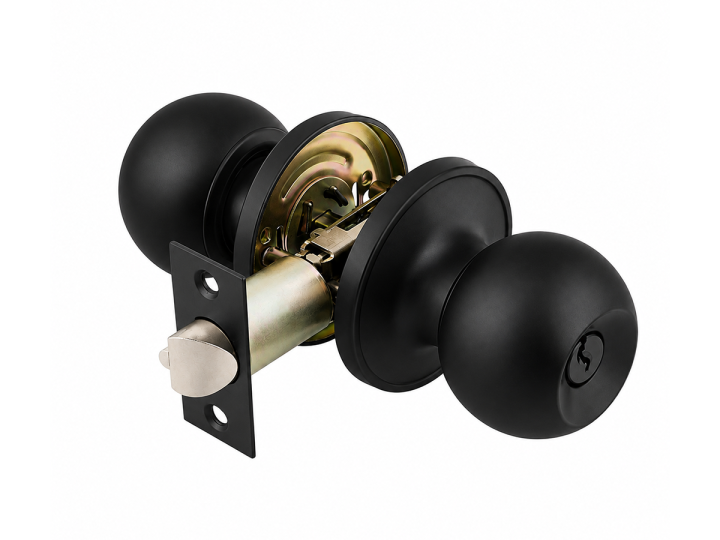
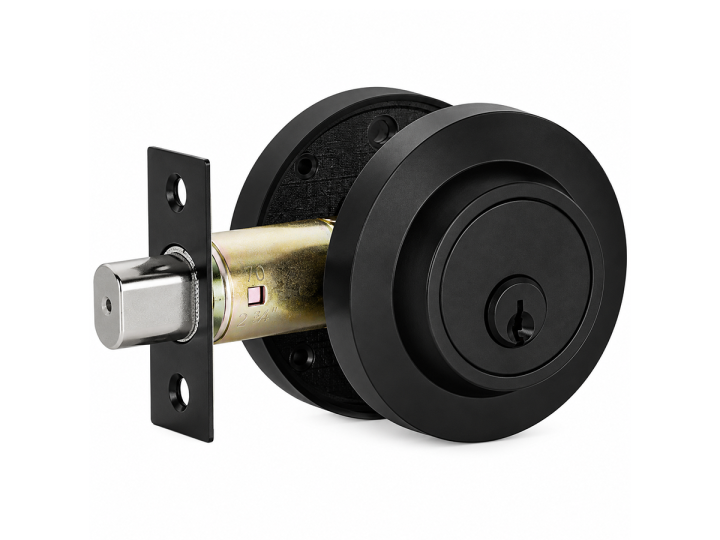
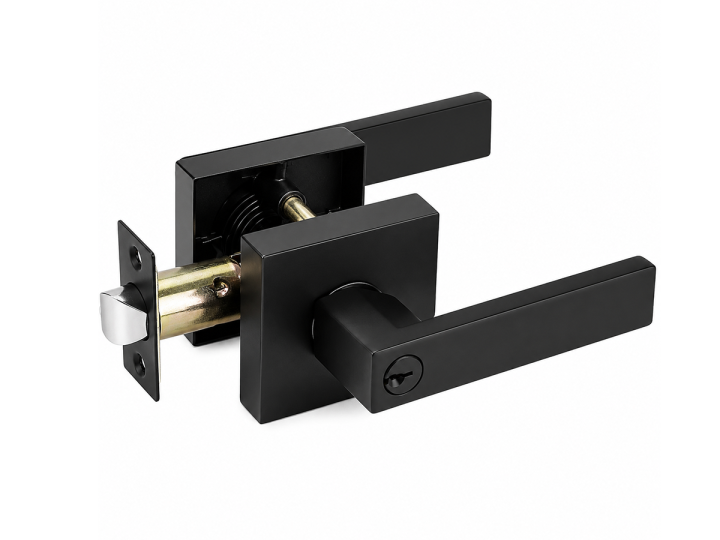
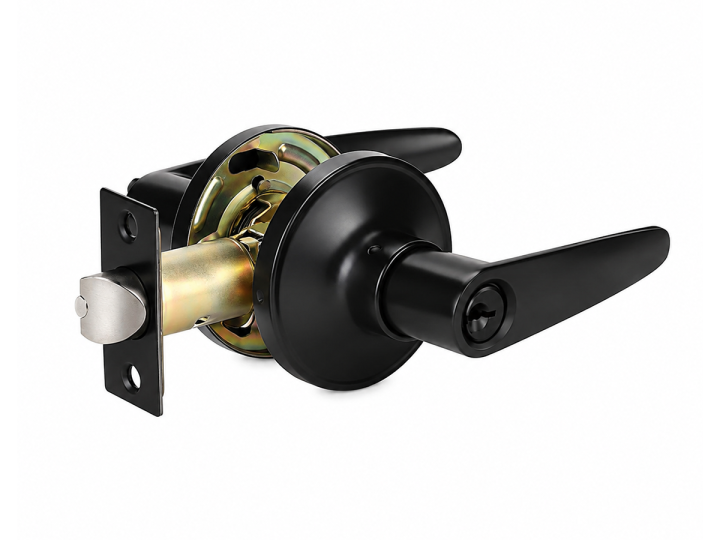
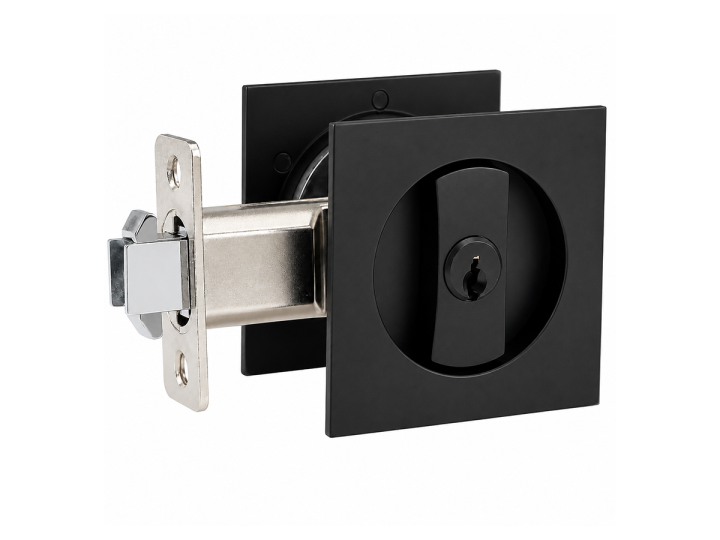
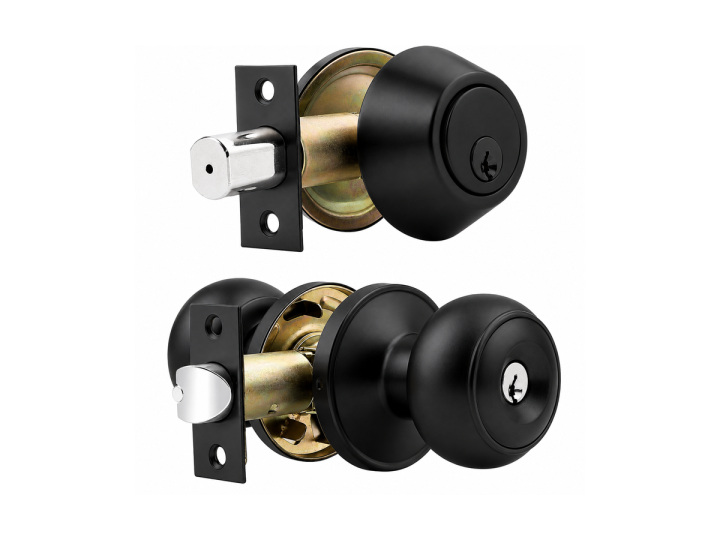
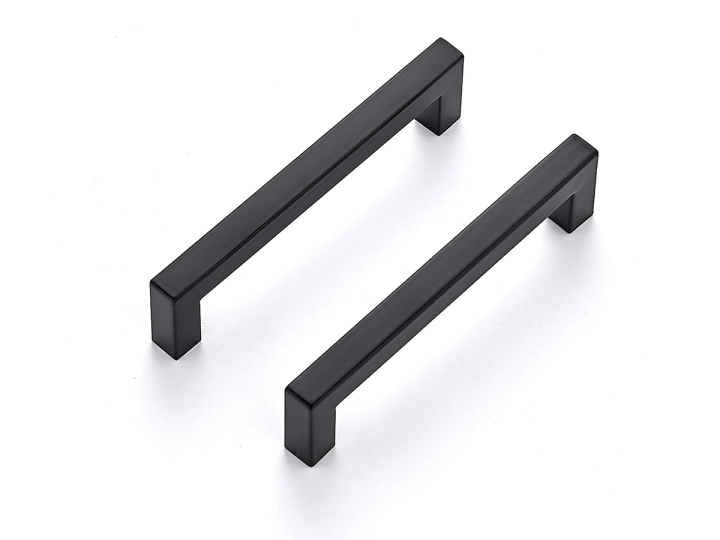
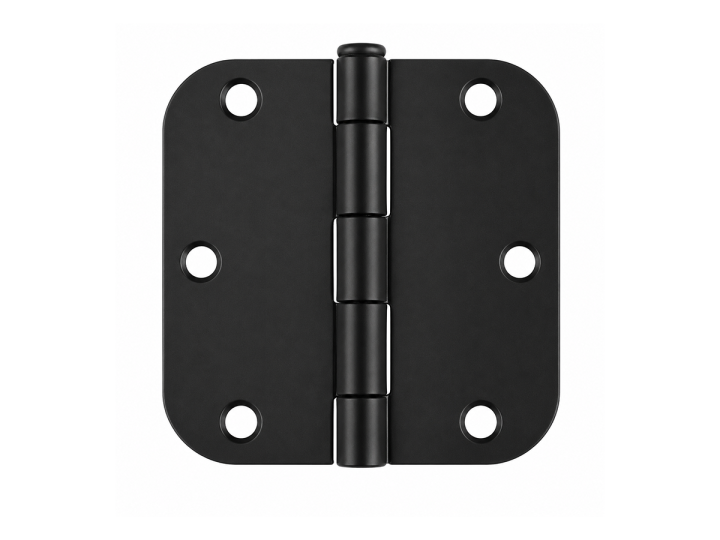
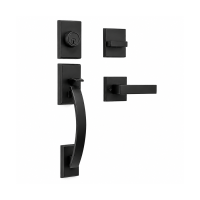
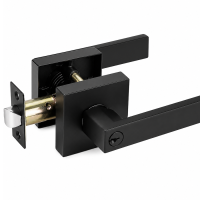
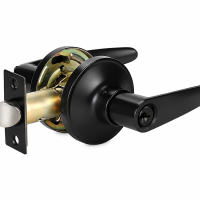
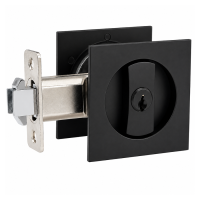
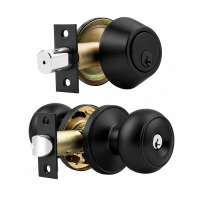
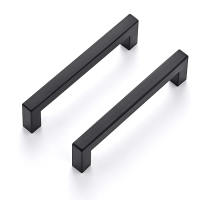
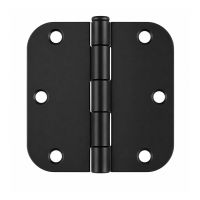
Two levers can look identical in a photograph and be separated by a factor of ten in coating cost, because the finish is a process, not a colour.
Start with the substrate
No finish is better than the surface underneath it. A zinc alloy die casting comes off the machine with a thin, brittle skin and, in the worst cases, gas porosity just below it. If that porosity is opened up by polishing and then plated over, it will blister later — usually in salt spray, sometimes on a coastal site eighteen months in.
So the sequence before any decorative coating is: trim, deburr, vibratory or belt polish, buff, then degrease and etch. On stainless steel parts, such as the knob shells we use on tubular knob locks, the sequence is different again — the passive layer has to be activated before anything will adhere. If a quotation for a decorative finish does not mention preparation, that is the corner most likely to have been cut.
Electroplating
Electroplating deposits metal from an aqueous solution by passing current through the part. On zinc die castings the normal stack for a bright or satin chrome finish is alkaline copper, then acid copper, then nickel, then a thin chromium flash. Typical figures, and these are industry conventions rather than a single fixed rule:
| Copper | 8–15 µm, levels the surface and provides ductility |
|---|---|
| Nickel | 8–15 µm, provides the corrosion barrier and most of the brightness |
| Chromium | 0.2–0.3 µm, a very thin decorative and tarnish-resistant layer |
| Lacquer | Applied over brass and antique finishes, not usually over chrome or nickel |
Strengths: excellent adhesion, true metallic appearance, wide colour range including satin nickel, bright chrome, polished and antique brass, and bronze tones with relieving. Cost is moderate and tooling-free. Weaknesses: the coating thickness follows the current distribution, so recesses receive less than edges; brass finishes rely on a lacquer that will eventually wear on a handled surface; and the process is wet chemistry that has to be controlled daily.
Our own line is a five-tank plating line with in-house salt spray, which mainly means we can settle a colour and a corrosion argument without waiting three weeks for an outside laboratory.
PVD
Physical vapour deposition happens in a vacuum chamber. A solid target — commonly zirconium or titanium — is vaporised and deposited on the part while a reactive gas such as nitrogen forms a ceramic compound on the surface. Zirconium nitride gives the brass and gold tones; titanium and carbon-based compounds give the greys and blacks.
Key characteristics:
- Coating thickness is small, roughly 0.3–1.5 µm, so it copies the surface underneath exactly. A PVD part must be plated and polished first; PVD hides nothing.
- Hardness is high, often quoted around 2000 HV, which is why PVD brass survives on a handle where lacquered brass does not.
- Corrosion resistance in salt spray is typically far higher than lacquered brass, and PVD is the normal answer for coastal and poolside projects with a brass or bronze colour requirement.
- Process temperature is elevated — commonly in the low hundreds of degrees Celsius — which limits what can go in the chamber. Assemblies with springs, plastics or lubricants cannot be coated; individual components can.
- Colour range is narrower than plating and matching an existing plated part exactly is difficult. Approve a physical sample, never a screen image.
- Cost per part is the highest of the three, and batch sizes matter because a chamber cycle costs the same whether it is full or half empty.
Powder coat
Powder coating sprays a dry, electrostatically charged polymer powder onto an earthed part, which is then cured in an oven — typically around 180–200 °C for 10–20 minutes. Film thickness is far greater than either of the other processes, usually 60–100 µm.
Where it wins: matte black and other solid opaque colours, and any custom RAL colour without new chemistry. The thick film bridges minor surface defects, so preparation demands are lower than for PVD. Where it loses: the film is a polymer, so it chips on impact and wears at contact points; edges and sharp corners get thinner coverage; and chemistry matters outdoors — epoxy powders chalk badly in UV, polyester and polyester-polyurethane hold colour far better. If a matte black lever is going on a south-facing exterior door, ask which resin system, not just which colour.
Powder is also the only one of the three that can be applied over a plated or e-coated base to combine barrier corrosion protection with colour, which is a common approach for black exterior hardware.
E-coat and lacquer, the fourth process
Two coatings sit alongside the main three and are often left out of a comparison. Electrophoretic coating, usually shortened to e-coat, deposits an organic resin from a water bath under an applied voltage. Because it follows the current, it reaches recesses and internal faces that a spray gun never will, and it lays down a uniform film of roughly 15–25 µm. On door hardware it is used as a clear protective layer over antique and brass-toned plating in place of a sprayed lacquer, and as a corrosion primer under powder coat.
Sprayed or dipped lacquer is the cheaper alternative and still the most common finish over polished brass. It is also the coating most likely to be the source of a complaint, because it wears through exactly where hands touch, and once it is breached the brass beneath tarnishes in a visible patch rather than evenly. If a project wants a brass appearance on a heavily used door, the honest options are PVD, a solid material that is allowed to patina, or accepting that lacquer is a consumable.
How to compare them fairly
| Typical thickness | Plating 20–30 µm total; PVD 0.3–1.5 µm; powder 60–100 µm |
|---|---|
| Hides substrate defects | Plating partly; PVD not at all; powder well |
| Abrasion resistance | PVD highest, plating moderate, powder lowest |
| Colour flexibility | Powder highest, plating moderate, PVD lowest |
| Relative cost | Plating lowest, powder middle, PVD highest |
Specify by code, then confirm by sample
Finish codes exist so that two parties can mean the same thing. ANSI/BHMA A156.18 defines the code set most commonly used in export door hardware, and the old US codes map onto it: US26D is BHMA 626 satin chrome, US15 is 619 satin nickel, US3 is 605 bright brass, US5 is 609 antique brass, US10B is 613 oil-rubbed bronze, US32D is 630 satin stainless. Matte black is commonly written as 622, though black is the finish where suppliers vary most.
The code fixes the colour family. It does not fix the process, the gloss level or the corrosion performance, so a purchase order should state all four: code, process, gloss, and the salt spray hours you expect to a named method such as ASTM B117. Then approve a physical master sample and keep a signed retain. Two identical codes from two factories will not match side by side, and on a project where one collection comes from us and another from elsewhere, that is a visible problem on a corridor of doors.
Tests worth naming on the order
- Neutral salt spray to ASTM B117, with the hours and the acceptance criteria stated.
- Adhesion by cross-hatch to ISO 2409 or ASTM D3359, for powder and lacquer.
- Coating thickness by X-ray fluorescence on plated parts, at a named measurement point.
- Abrasion or rub testing where the finish will be handled daily.
- UV exposure for exterior powder, if the project is in a high-insolation climate.
What to send us
- The finish code you want, and the market convention you are using — BHMA, old US, or a RAL number.
- A physical sample if you are matching existing hardware. Photographs are not usable for colour.
- The environment: interior, exterior sheltered, exterior exposed, coastal, or indoor pool.
- Required salt spray hours and method.
- Which items must match each other across collections — levers, hinges, pulls, cylinder faces.
- Whether a signed retain sample is to be held by both parties for the life of the contract.
Leave a Reply