
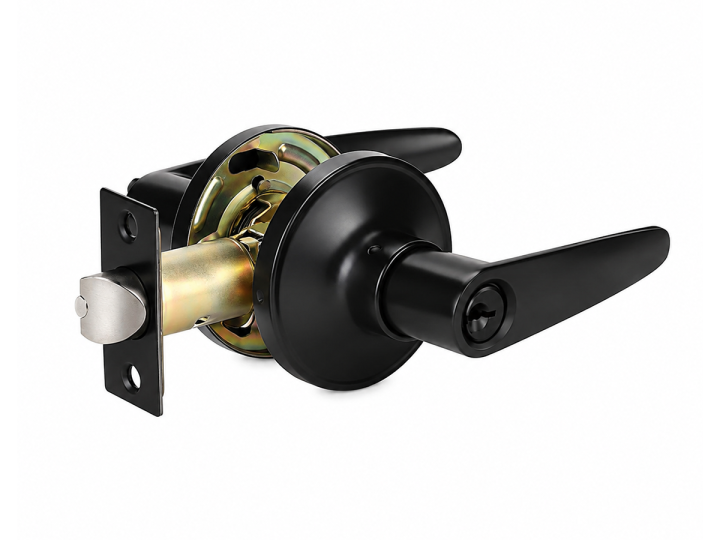
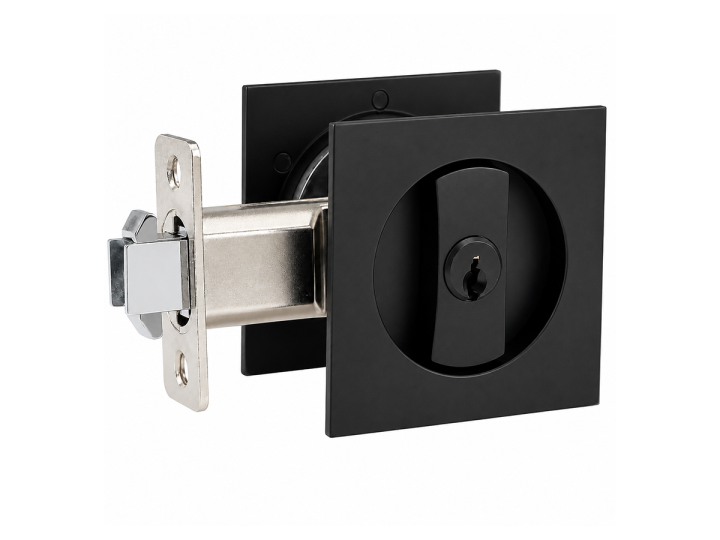
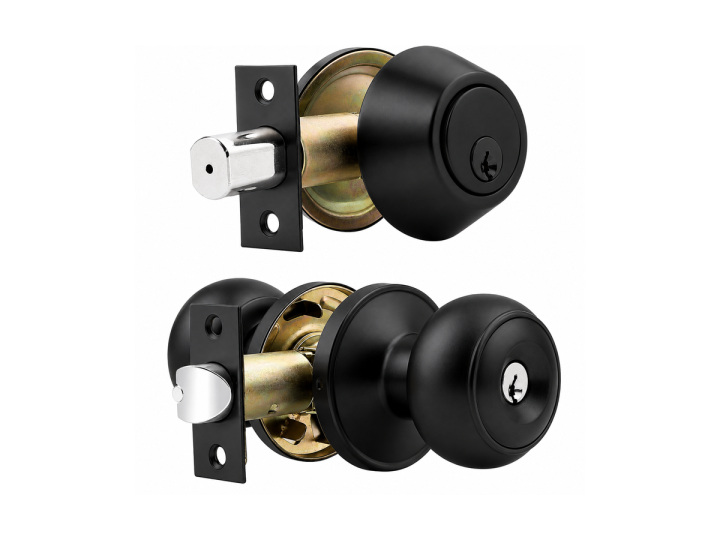
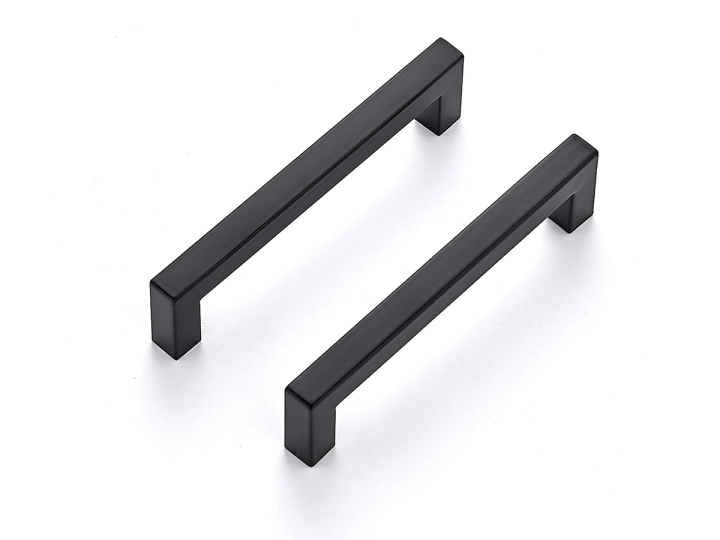
Salt air will find the weakest point of any finish system, and it will find it in months rather than years. Coastal projects are not a reason to buy differently — they are a reason to specify differently.
What actually happens
Airborne chloride settles on the surface and holds moisture against it. Wherever the protective layer is thin, scratched or porous, corrosion starts underneath and lifts the finish from below. Nothing about the mechanism fails — the surface does, and the client sees it every day.
What to specify
- Finish family: plated, not coated. Satin nickel, satin chrome, chrome plated or satin stainless — 96 hours salt spray rather than 48.
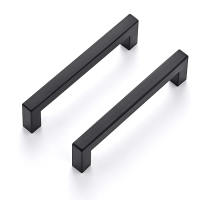
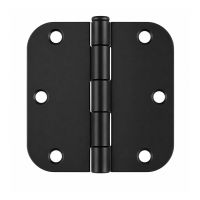
- Exposed components: stainless steel where possible. For pull handles and hinges on a seafront elevation, ask for SS 304 rather than SS 201.
- Fixings: stainless screws. A stainless handle on carbon steel screws will streak rust down the door within a season.
- Cylinders: brass, and specify a dust cap or shutter on exposed keyways.
What to avoid
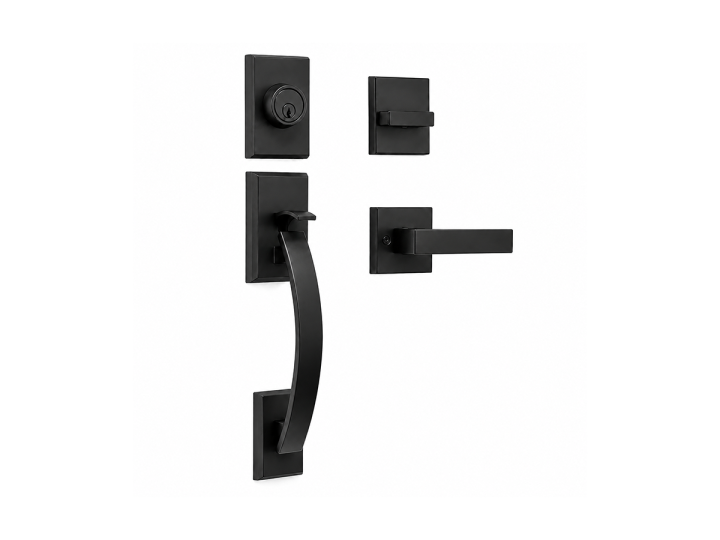
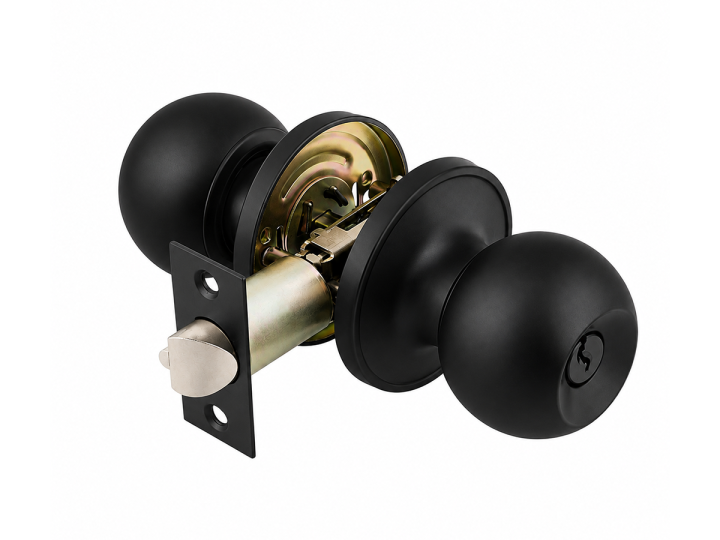
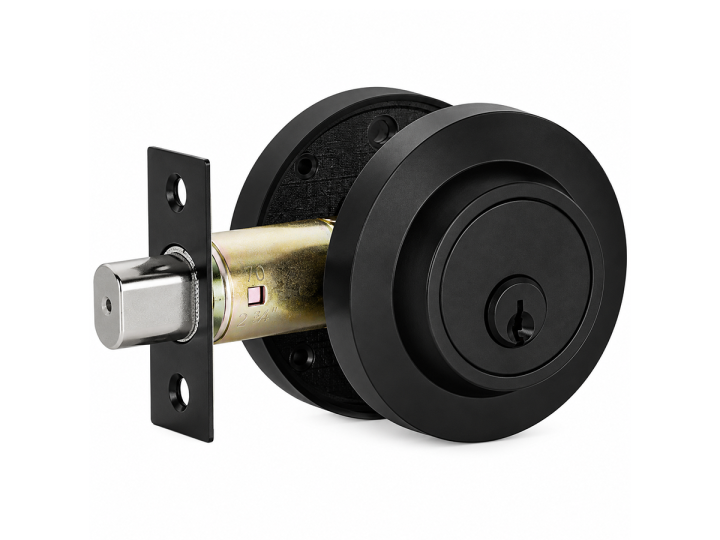
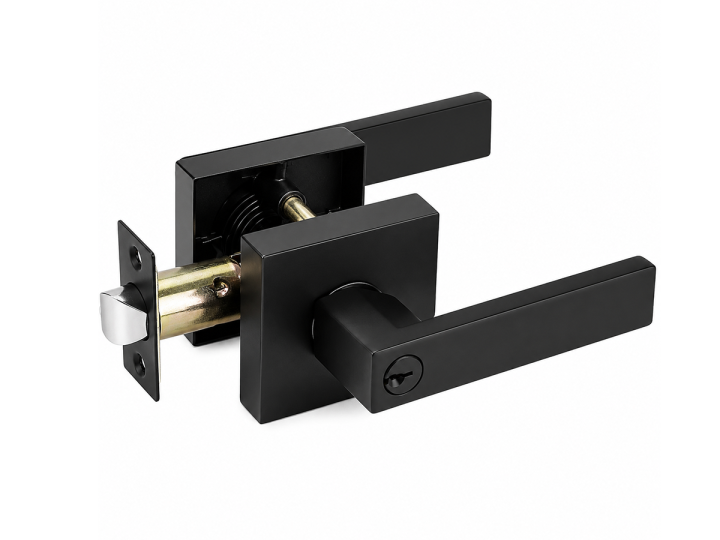
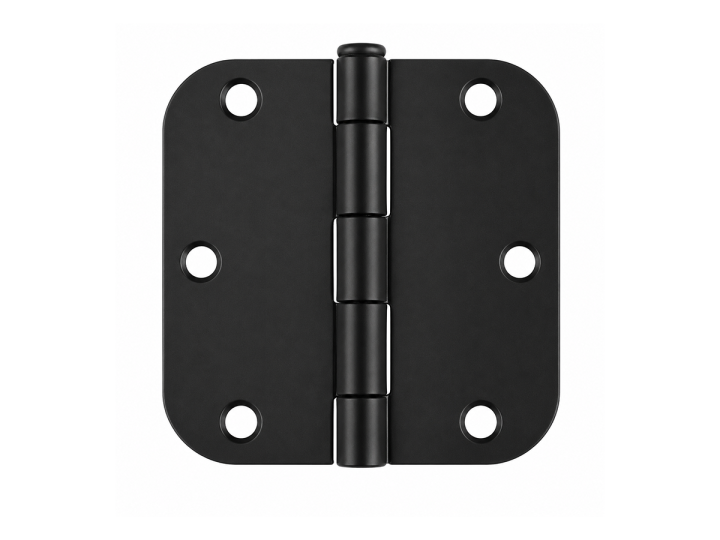
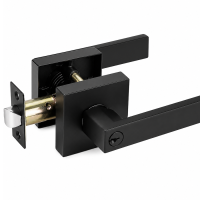
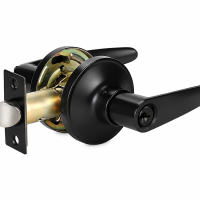
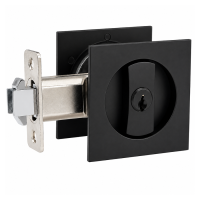
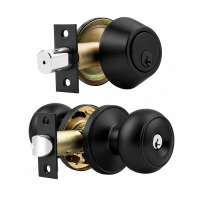
Coated finishes on the outside face of an unprotected door — matte black, oil-rubbed bronze and white paint all belong indoors or under a deep porch in this environment. Living brass finishes will patinate very fast; that is fine if the client wants it and a complaint if they do not.
Design choices that help more than the finish does
- A porch or overhang. Half a metre of shelter outperforms any upgrade in the specification.
- Drainage away from the threshold, so the lower hardware is not sitting in salt water.
- A rinse regime — fresh water and a soft cloth, quarterly. Trivial, and it doubles the life of everything.
Be explicit in the quotation
Coastal installations are quoted separately for a reason. Tell us the distance to open water and the exposure of the elevation, and we will specify to it and put the maintenance interval in writing — so the expectation is agreed before the hardware is on the door, not argued about afterwards.
Leave a Reply