
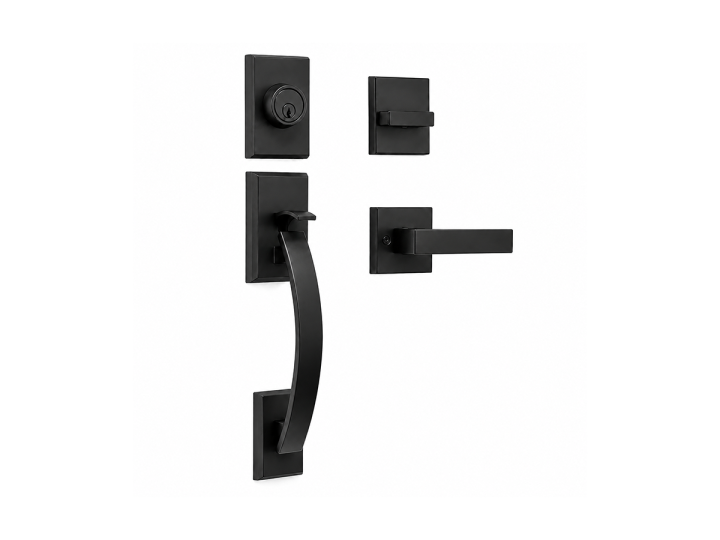
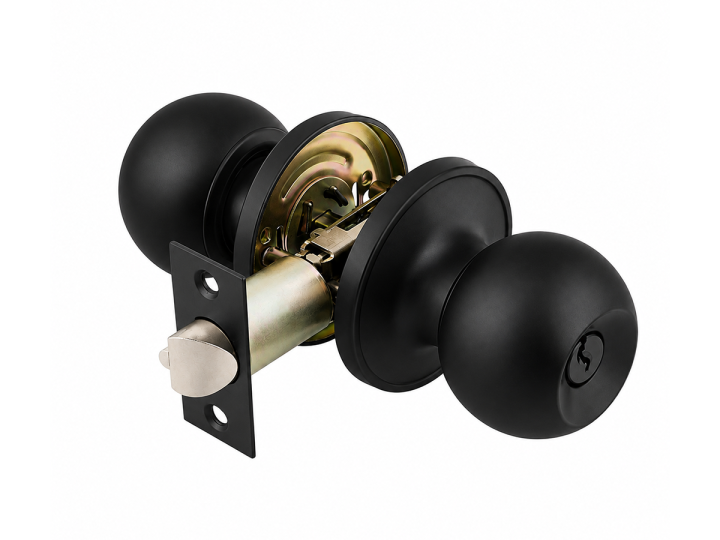
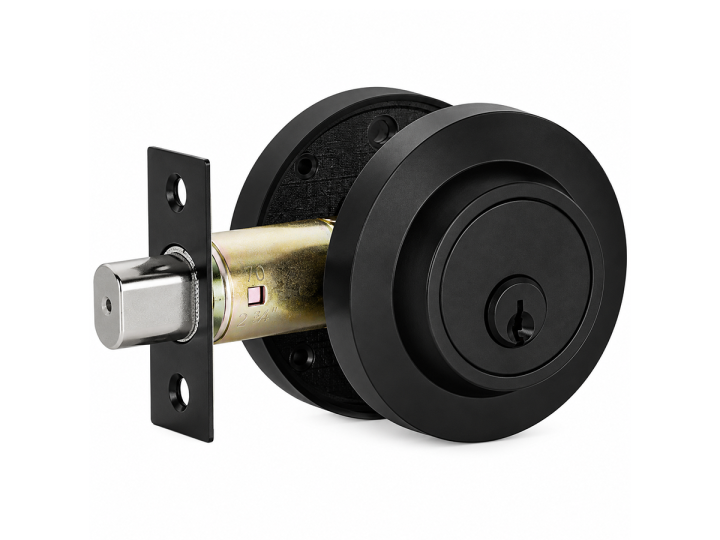
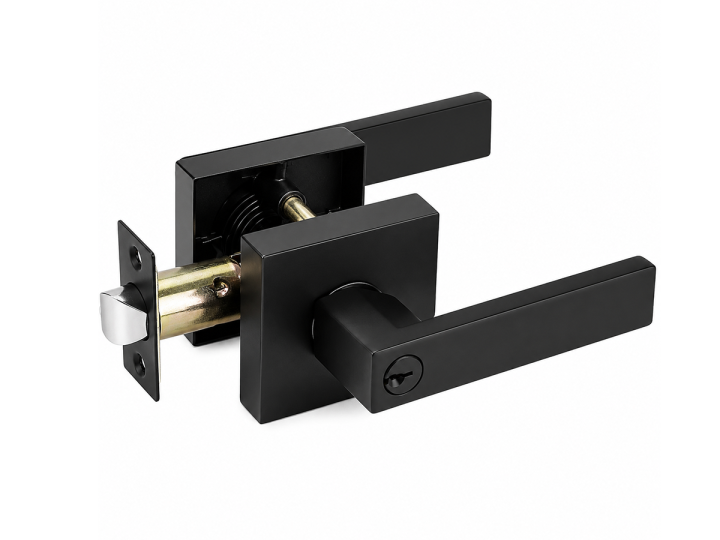
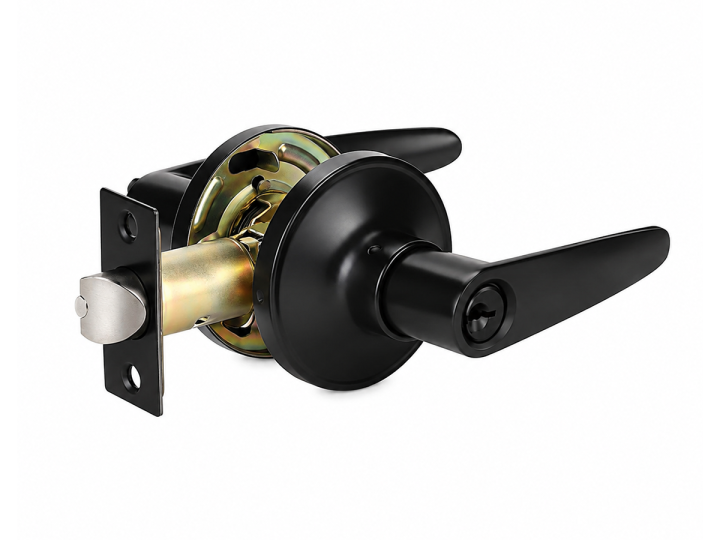
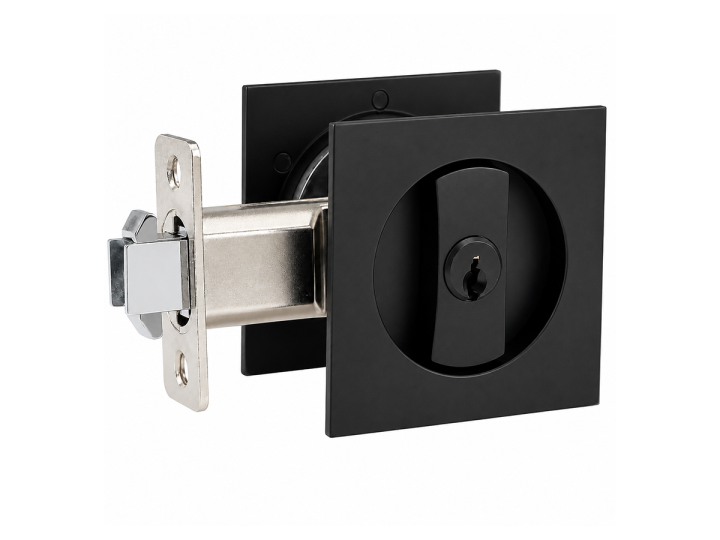
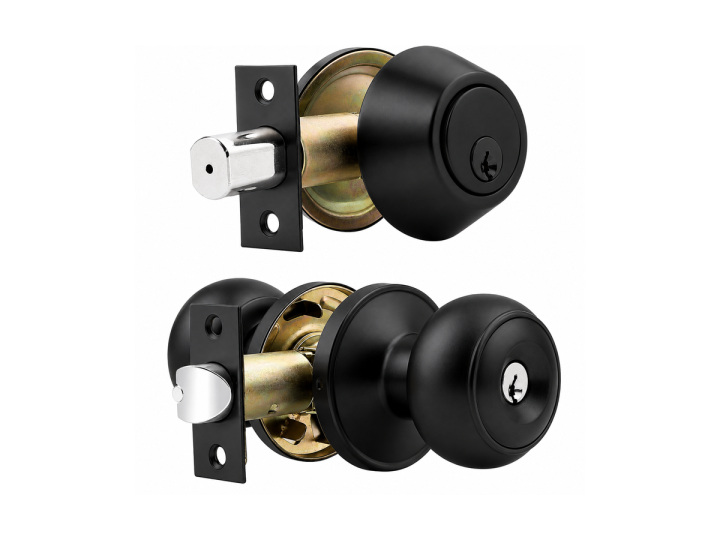
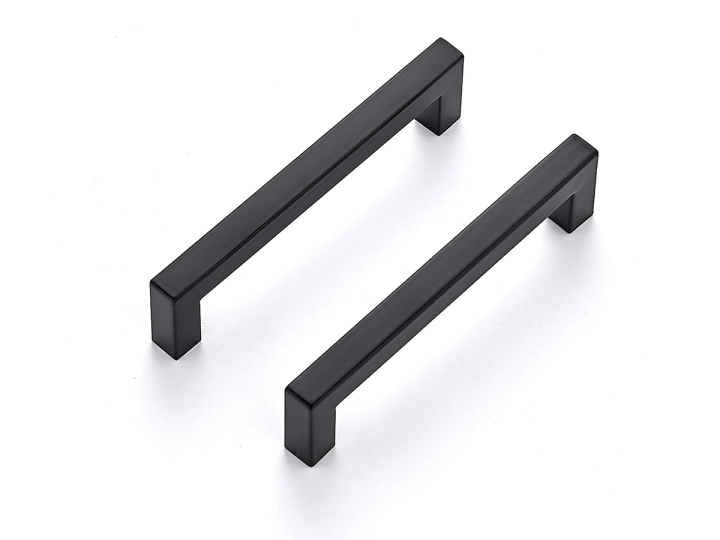
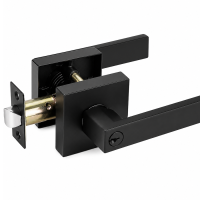
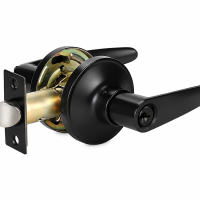
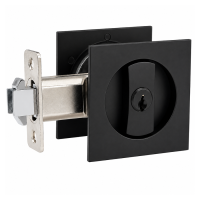
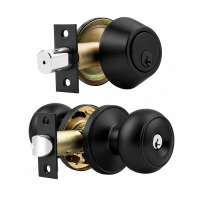
Most sourcing risk is decided before the first order, in whether you are talking to the people who make the product. These checks cost nothing and can all be done remotely.
1. Ask a process question, not a product question
“What is your die-casting tonnage?” or “How do you deburr the cross-hole?” A factory answers immediately. A trading company says they will check and come back tomorrow.
2. Ask for the certificate number, not the certificate
Anyone can email a PDF. A certificate number and issuing body can be verified with the registrar. Ours is ISO 9001:2015, no. 130590, NQA/UKAS, valid to 17 June 2027.
3. Ask which models the ANSI or CE certification covers
Certification applies to a tested series, not to a whole company. A supplier who cannot name the series is stretching the claim.
4. Ask for a live video walkthrough, unscripted
Ask to see the tool store, not the showroom. Ask them to walk from the die-casting cell to the packing bench in one take. It is very hard to fake a factory floor live.
5. Ask who owns the tooling and where it is stored
A real factory has a tool store with numbered racks and can photograph your tool with its ID plate on request.
6. Ask for a packing list from a previous shipment, redacted
Model, function, finish, handing, carton quantity, gross and net weight. A factory produces one in minutes because it is a system output. A middleman builds it for you overnight.
7. Ask about the finish test
Salt spray hours by finish family. If every finish is quoted at the same number, nobody has tested anything.
8. Ask what happens when a claim is raised
Listen for a process — order code, photographs, assessment window, replacement route — rather than a promise of “good quality, no problem”.
9. Place a small paid order before a large one
Not a free sample. A paid trial order runs the whole system: quotation, proforma, production, packing, documents and shipping. Every weakness shows up in the paperwork long before it shows up in the goods.



Leave a Reply