
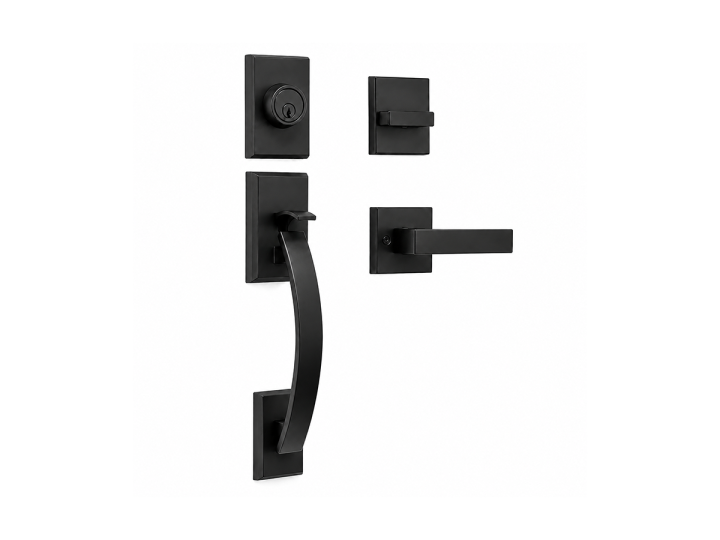
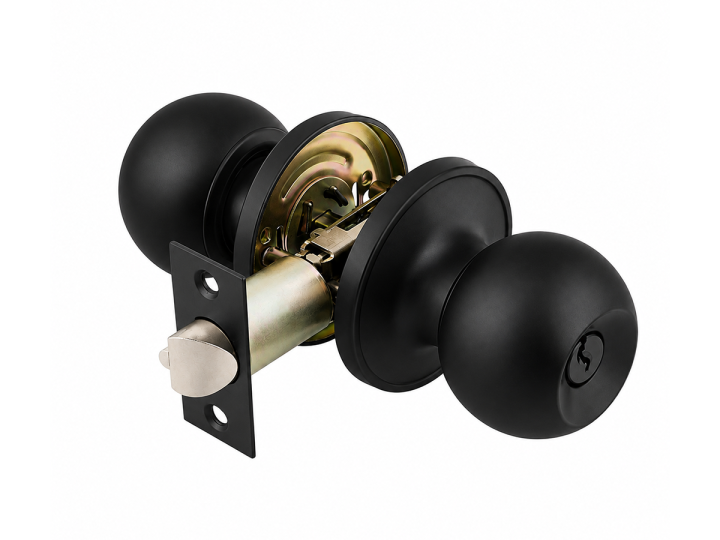
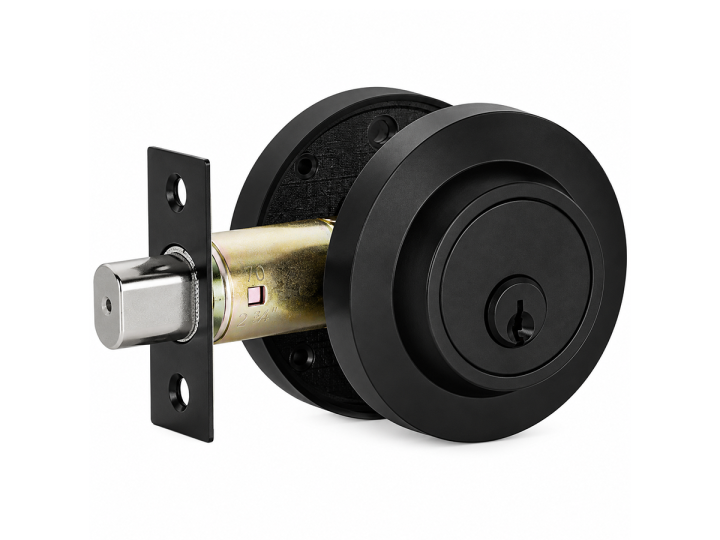
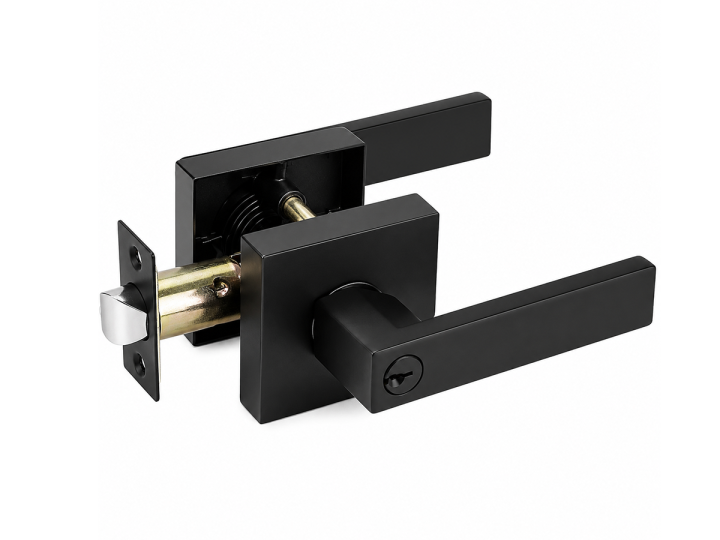
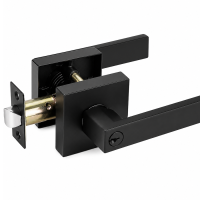
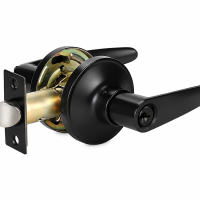
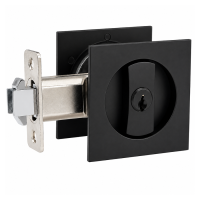
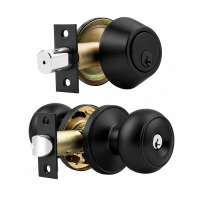
Keying is decided at order stage and cannot be changed once the cylinders are pinned. Getting it right is the difference between a handover with two keys and one with eleven.
The three options
- Keyed different (KD) — every lock has its own key. The default, and correct for hardware that will be sold individually through a merchant.
- Keyed alike (KA) — one key opens a defined group. The right answer for a single dwelling: front door, back door, garage and any deadbolts all on one key.
- Master keyed (MK) — each lock has its own change key, and a master key opens all of them. Hotels, apartment blocks, offices, anything with a facilities manager.
Planning a residential schedule
Group by who holds the key. In a typical house: all exterior doors keyed alike as one group; interior privacy and passage functions need no key at all. That produces two keys per household and a very short handover conversation.
Planning a hotel or apartment schedule
Three levels usually cover it: change keys for each room, a floor or housekeeping master, and a grand master for management. Write it as a table — door number, function, key group — before you ask anyone to quote. The table is what we pin to.
Practical points
- Keying is available in all four keyway profiles we cut: Kwikset, Weiser, Yale and Schlage.
- Extra keys are cheap to add at production and expensive to add later. Order two or three more per group than you think you need.
- Construction keying (CK) gives trades a site key that voids itself when the owner’s key is first turned. Worth it on any build running more than a few months.
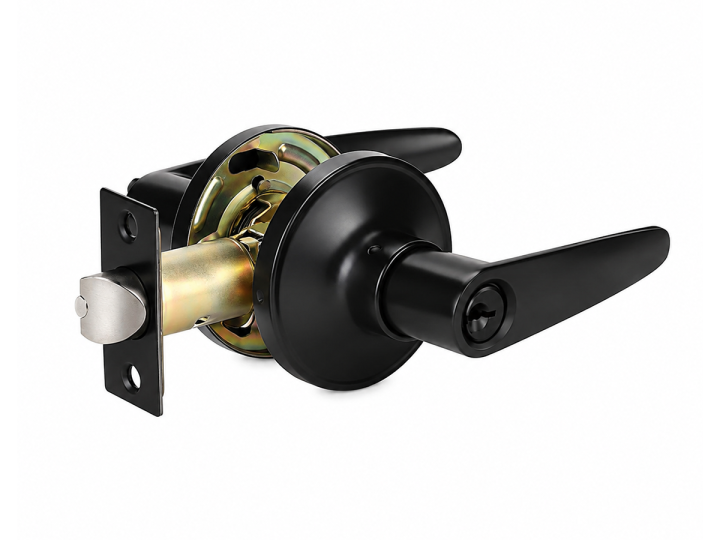
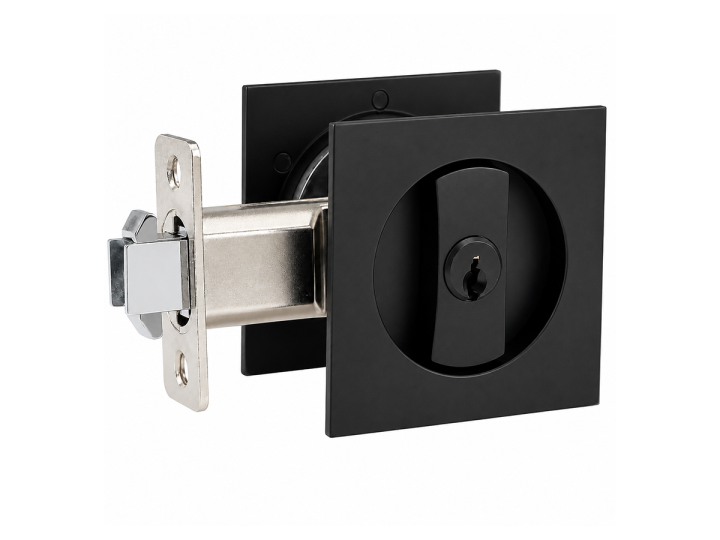
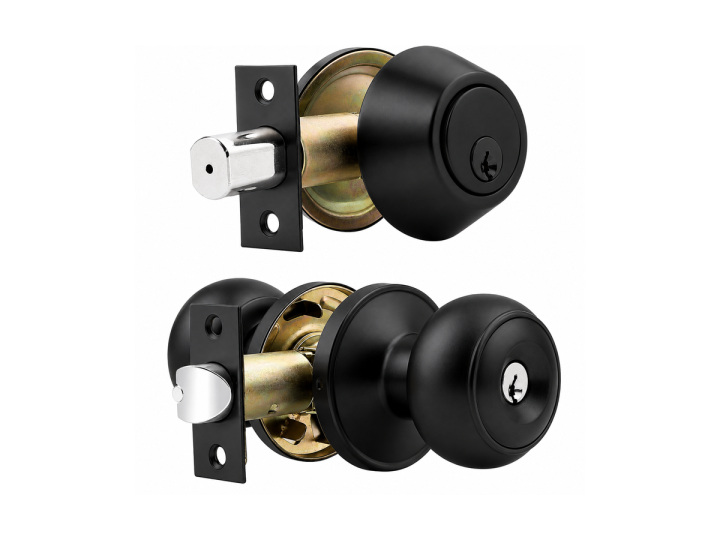
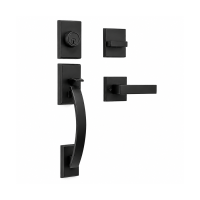
- Keyed-alike groups can span collections — a handleset, a deadbolt and a lever lock all sit on the same cylinder platform.
What to send us
A door schedule with function and key group per door. If that does not exist yet, a floor plan with the exterior doors circled is enough to start.
Leave a Reply