
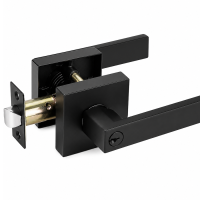
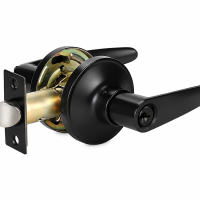
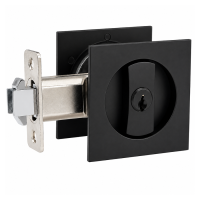
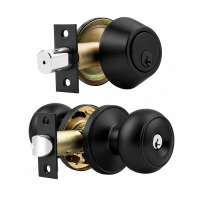
More re-orders are caused by the wrong function than by the wrong finish. The function is the mechanism inside — what happens when someone turns the handle, and who needs a key. Here is the whole set in plain language.
ET — Entrance
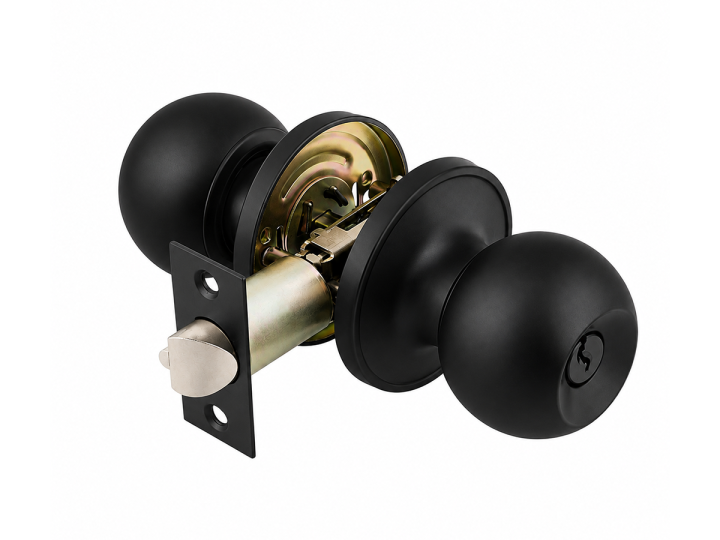
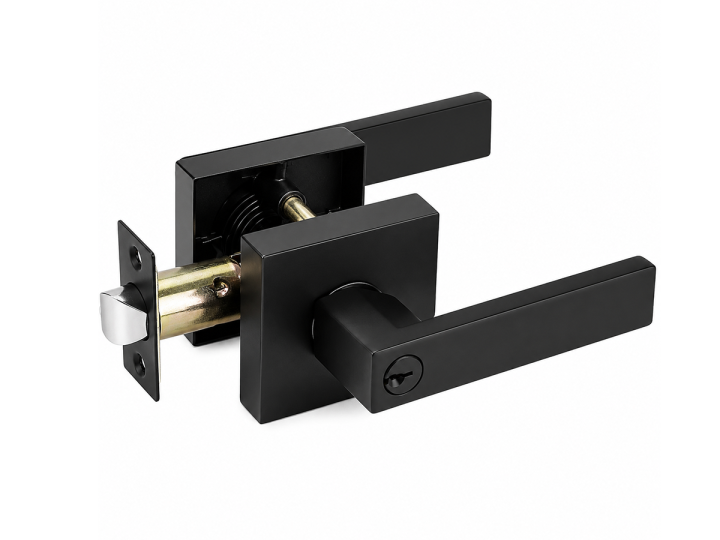
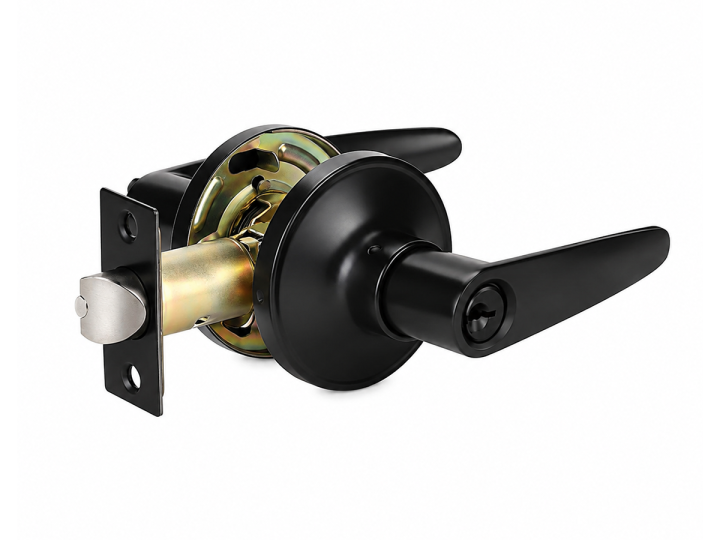
Key from outside, thumb-turn or button inside. The default for front doors, apartment doors and secondary entrances. If someone says “entry lock” without qualifying it, this is what they mean.
ST — Storeroom
Key required every time, from outside, always. The outside handle is permanently locked. Plant rooms, housekeeping stores, server rooms — anywhere that should never be left casually open.
BK — Privacy
Push-button or turn inside, with an emergency release outside. No key. Bathrooms and bedrooms. The emergency release matters more than buyers expect: specify it and a hotel can open a bathroom door in a medical emergency without breaking it.
BL — Indicator privacy
Privacy function plus a vacant/occupied indicator on the outside. Public and semi-public bathrooms, accessible WCs, changing rooms. Slightly more expensive, and it removes the polite knock from the whole building.
PS — Passage
Latches, never locks. Corridor doors, walk-in wardrobes, doors that need to stay shut but never need privacy.
CK — Construction key
A site key that operates every lock during the build, then is voided when the owner’s key is first used at handover. Worth specifying on any project where trades need access for months before the client does.
DL — Dummy
Fixed trim, no mechanism at all. One half of a double door, or a wardrobe front that needs to look like the rest of the house.
DC — Double cylinder
Key both sides, no thumb-turn. Used on doors with glazing next to the lock, where a thumb-turn could be reached through a broken pane. Check local fire regulations first — some jurisdictions prohibit double cylinder on the only escape route.
Specifying a whole house
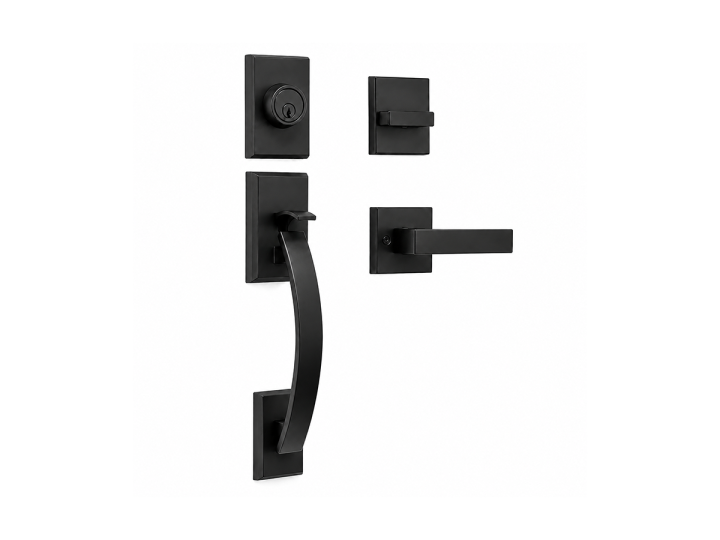
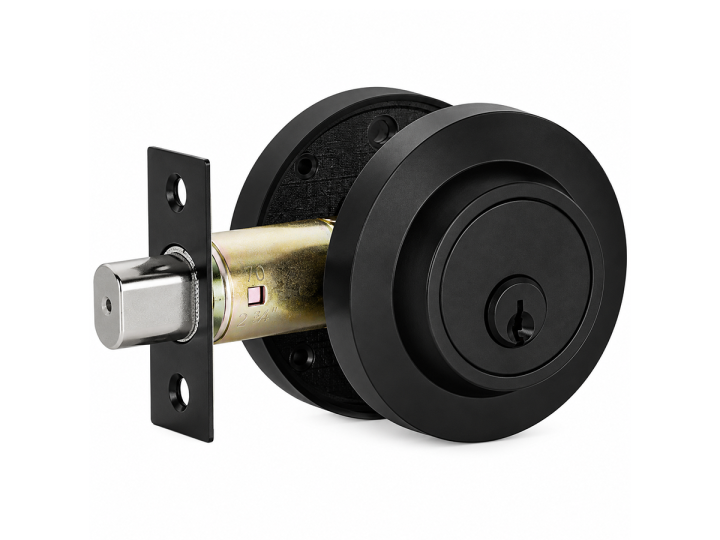
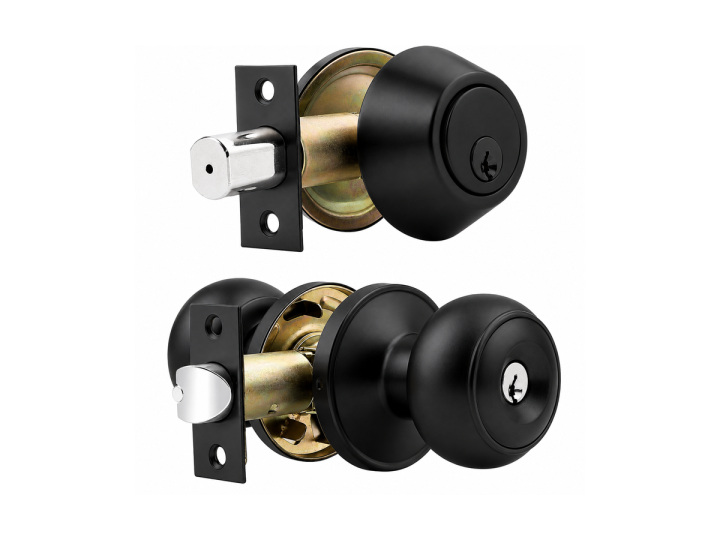
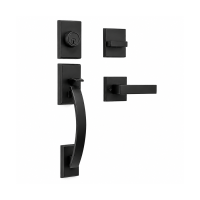
A typical residential schedule looks like this: ET handleset plus deadbolt on the front door, ET lever on the back and garage doors, BK levers on bedrooms and bathrooms, PS levers on corridors, and DL trim on the wardrobe. Send that list with an approximate door count and you will get a quotation you can actually cost.
Leave a Reply