
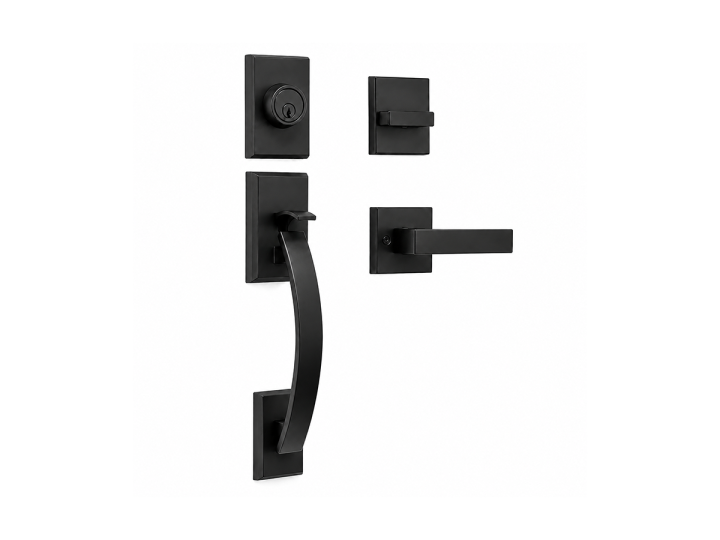
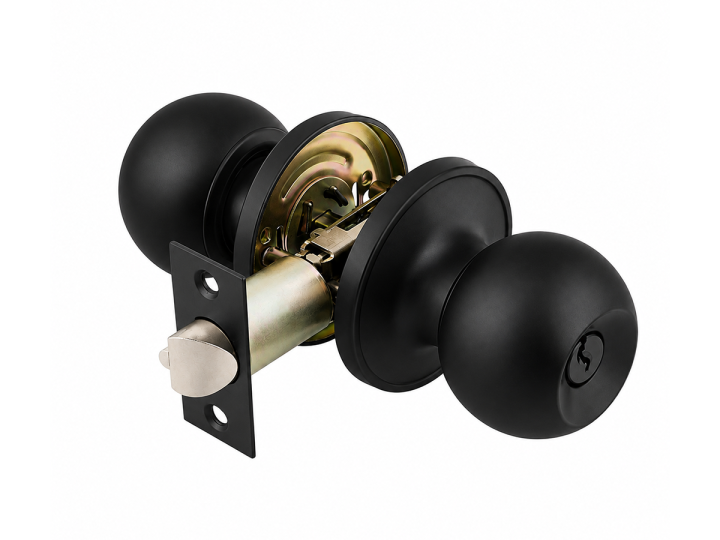
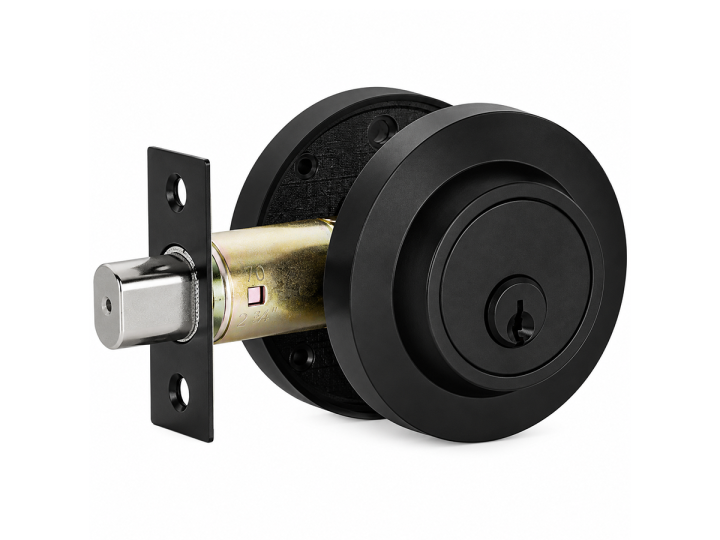
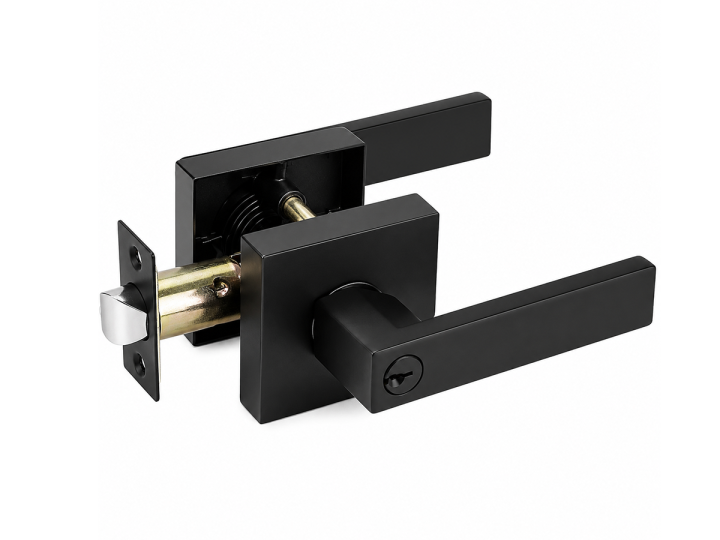
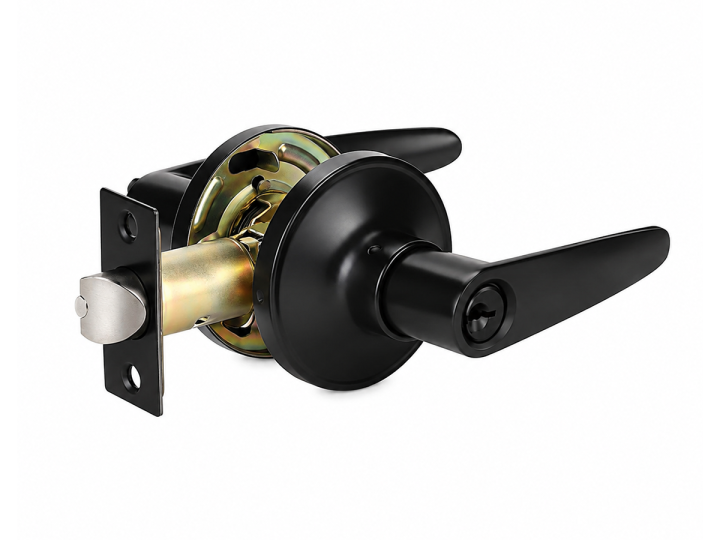
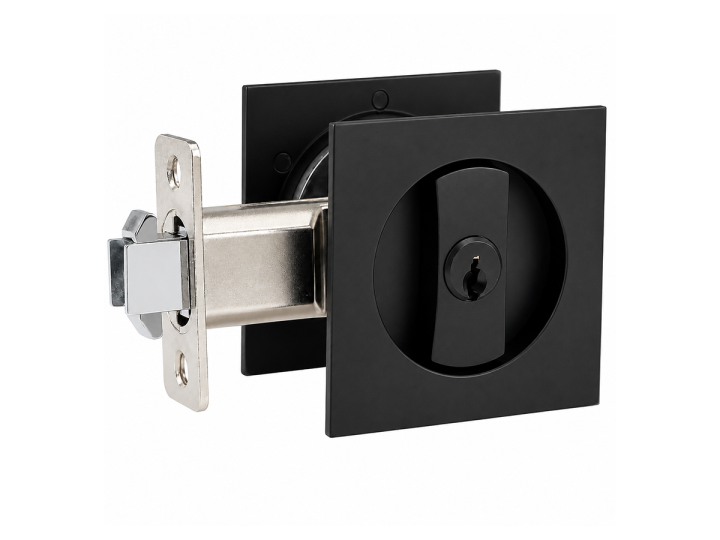
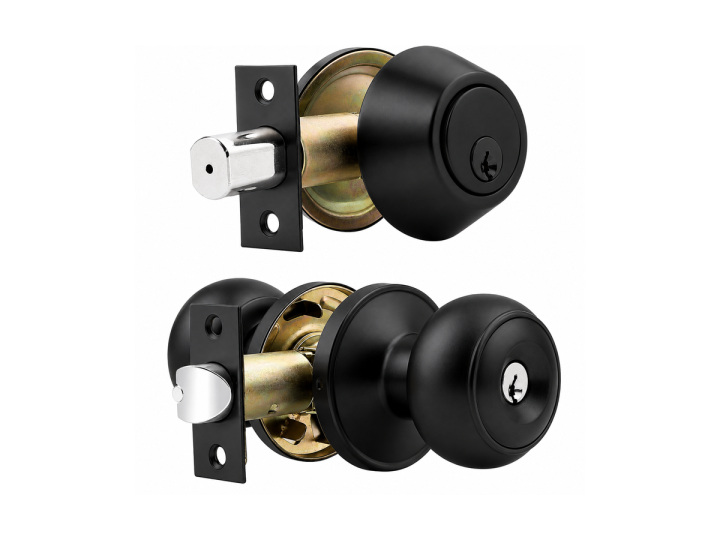
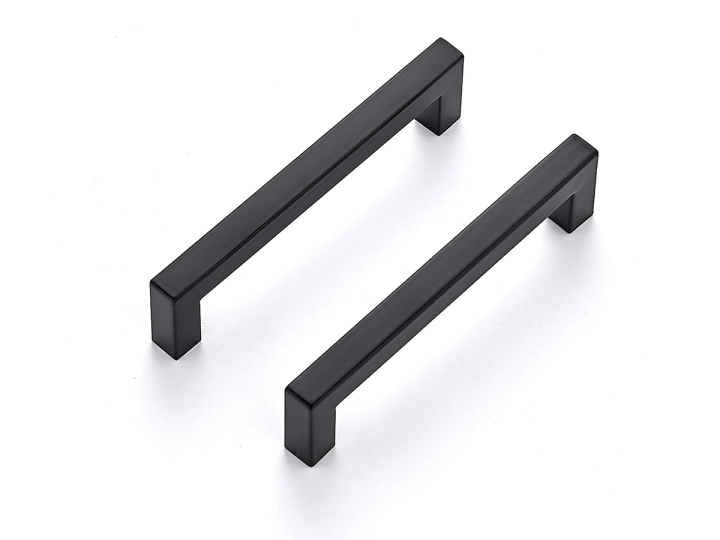
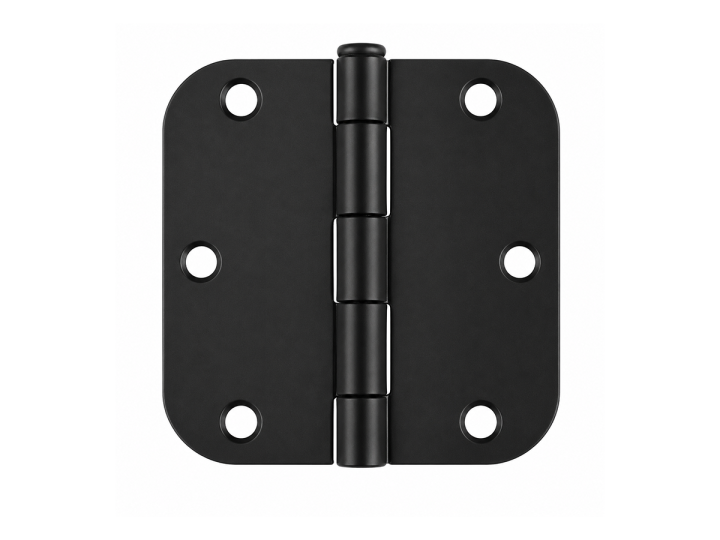
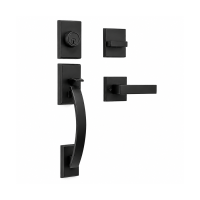
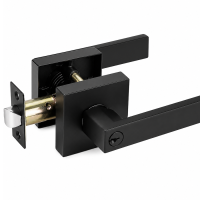
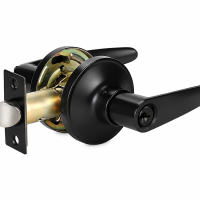
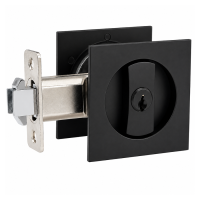
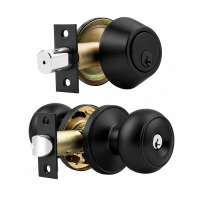
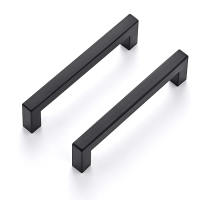
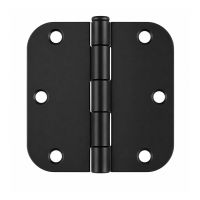
Matte black has been the leading finish request for several years and shows no sign of slowing. It is also the finish that generates the most complaints — not because it is poorly made, but because it is specified as though it were plating.
What matte black actually is
A pigmented coating applied over a plated base. The plating provides corrosion resistance; the coating provides the colour and the matte texture. Rated to 48 hours neutral salt spray to ASTM B117 — half the 96 hours of a plated finish, because the outer layer is organic rather than metallic.
Where it wears first
Three places, every time: the tip of the lever where a hand lands, the thumb-turn on a deadbolt, and the leading edge of an entry handleset grip. All three are high-pressure contact points with skin oils and grit. Nothing is wrong with the part — that is simply where the coating is being abraded.
How to specify around it
- Indoors and sheltered entrances: matte black is an excellent choice and will hold for years.
- Exposed coastal doors: specify a plated finish, or agree a refresh cycle with the client in writing before the order.
- High-traffic commercial: consider satin nickel for the door furniture and reserve matte black for the visual pieces that get touched less.
- Mixed suppliers: do not. Two factories’ matte black will differ in gloss level. Order every black item on a door from one supplier and one process run.
Care that actually matters
Soft dry cloth only. The finish killers, in order, are: bathroom limescale removers, alcohol-based sanitiser, and abrasive cream cleaners. All three strip the coating faster than a decade of ordinary use, and all three void the finish cover.
One thing to tell the client
Matte black is a coating, not a plating. Said before installation it sets an expectation; said after the first wear mark appears it sounds like an excuse.
Leave a Reply