
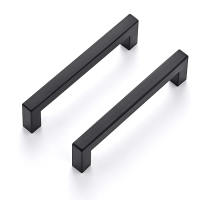
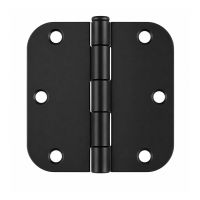

Pocket doors are specified last and cause the most site problems, because the hardware has to be flush, reversible and installed before the door goes into the wall.
The three functions
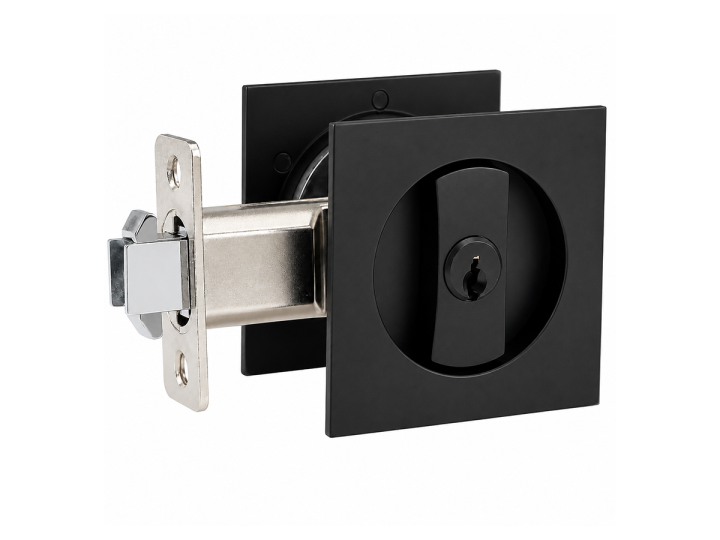
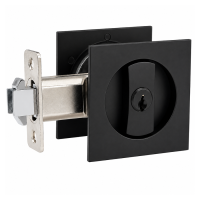
- Passage flush pull — a recessed pull each side and an edge pull. No lock. Wardrobes, utility, walk-throughs.
- Privacy latch — turn one side, emergency release the other. Bathrooms and bedrooms. The most common specification by a wide margin.
- Keyed set — key one side, turn the other. Home offices, studies and small commercial stores.
Square or round rose
Purely visual, but pick one and use it throughout — a square rose pocket set next to a round rose lever reads as an accident. Match it to the rose shape you have chosen for the swing doors in the same space.
The door thickness trap
Pocket hardware is recessed into the leaf, so thickness matters more than on a swing door. Our sets cover 35–45 mm. A 32 mm leaf leaves too little material behind the pocket; a 50 mm leaf will not close the latch. Measure the leaf, not the frame, and confirm before ordering.
Do not forget the edge pull
Every pocket door needs one — the recessed finger pull in the leading edge that lets you pull the door back out of the wall. It is the single most commonly forgotten item on a pocket door order, and the one that gets noticed on day one.
Installation sequence
Hardware first, then the door into the pocket. Cutting a recess for a flush pull once the door is hung usually means taking the door back out. Send the templates to the installer before the doors arrive on site.
Finish note
Flush pulls sit where fingers hook into them constantly. On a family bathroom, a plated finish will outlast a coated one noticeably.



Leave a Reply