
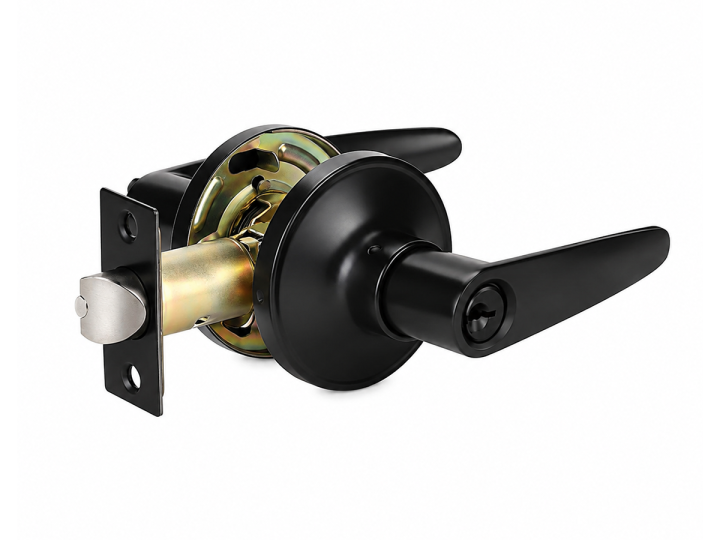
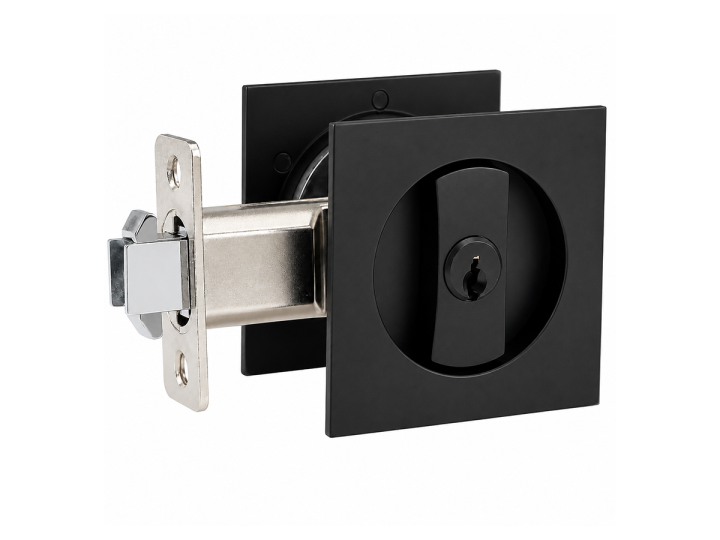
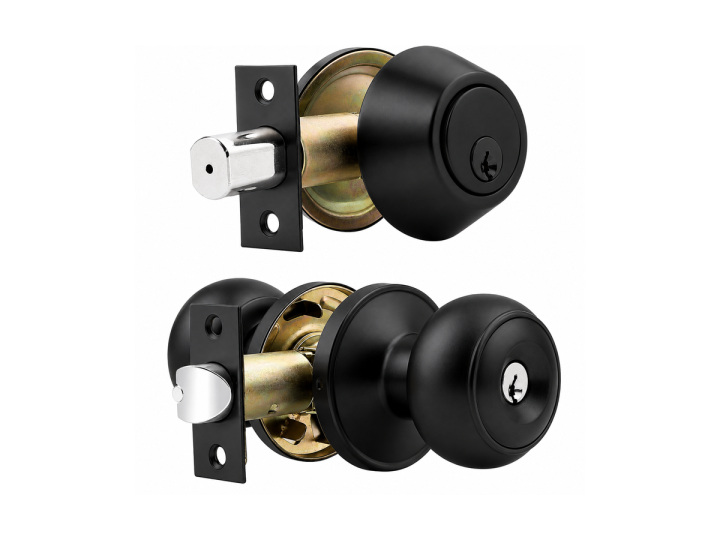
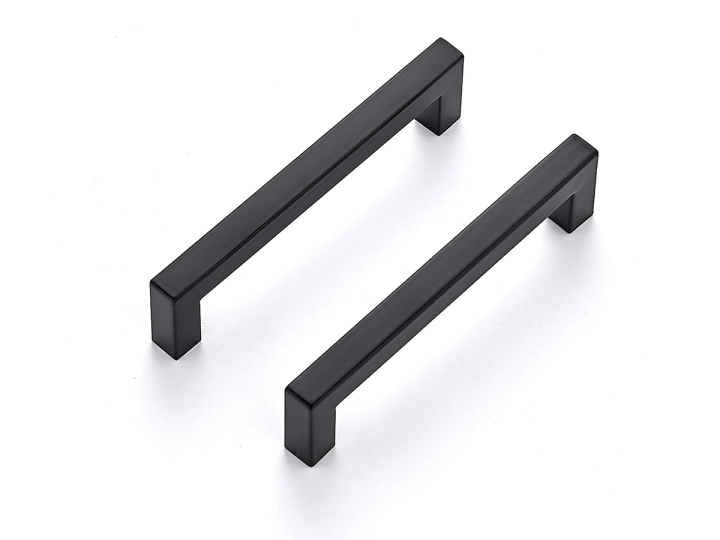
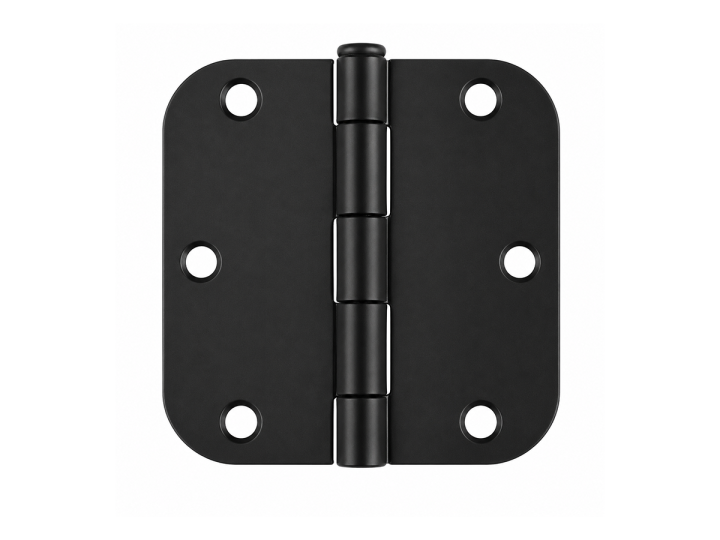
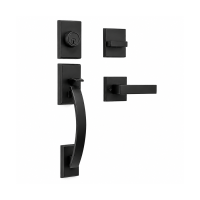
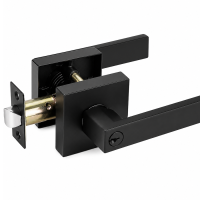
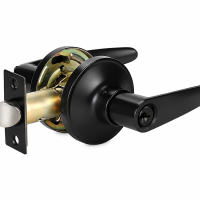
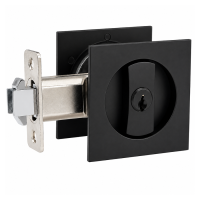
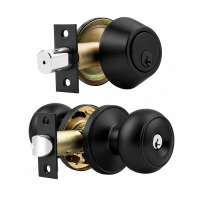
A door schedule is the single document that decides whether a hardware order goes cleanly. It does not need software. Six columns in a spreadsheet will do.
The six columns
- Door reference — the number on the plan. Not “bedroom door”, which becomes ambiguous the moment there are three.
- Function — ET, ST, BK, BL, PS, DL or DC. Decide this before you look at any product.
- Model — the catalogue number. One per row.
- Finish — the two or three letter code, not a colour name.
- Handing — LH, RH or RV.
- Backset — 60 or 70 mm.
Add a seventh, key group, the moment more than one door needs to share a key.
A worked example
D01 · ET · YF901 · MB · RV · 70 · KA-1
D02 · ET · YF801 · MB · RV · 70 · KA-1
D03 · BK · YF601 · MB · RV · 60 · —
D04 · PS · YF601 · MB · RV · 60 · —
D05 · DL · YF601 · MB · — · — · —
Five rows, and a supplier can quote, produce, pin and pack the whole house without a single clarifying email.
Three habits that prevent errors
- One row per door, never per door type. Quantities hide errors; rows expose them.
- Fill handing even when it is reversible. Writing RV is a decision. Leaving it blank is an assumption.
- State the backset from the actual door prep, confirmed by the joinery supplier — not copied from a drawing that predates the doors.
What to do with it
Send the schedule as a spreadsheet, not a PDF. We quote directly against the rows and return the same file with prices, carton quantities and lead time added — so what you approve is what gets packed.
Leave a Reply