
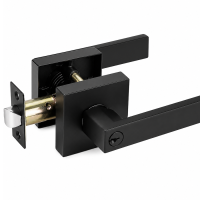
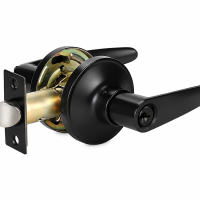
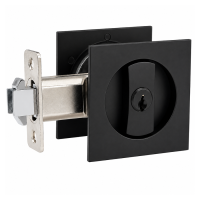
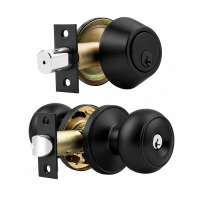
Hotels are the most systematic hardware buyers there are, and the easiest projects to get wrong, because one mistake is repeated across two hundred doors.
Door by door
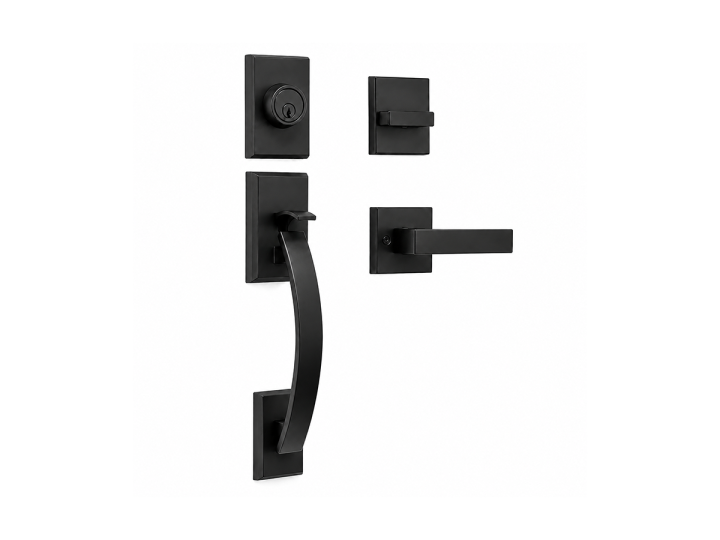
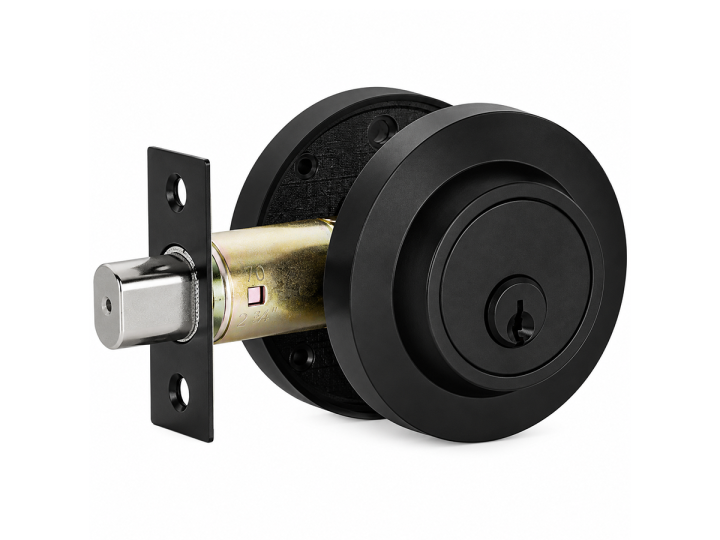
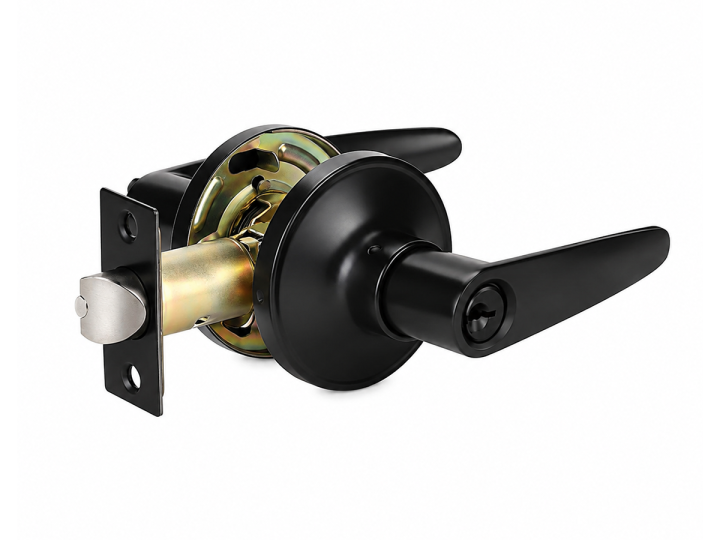
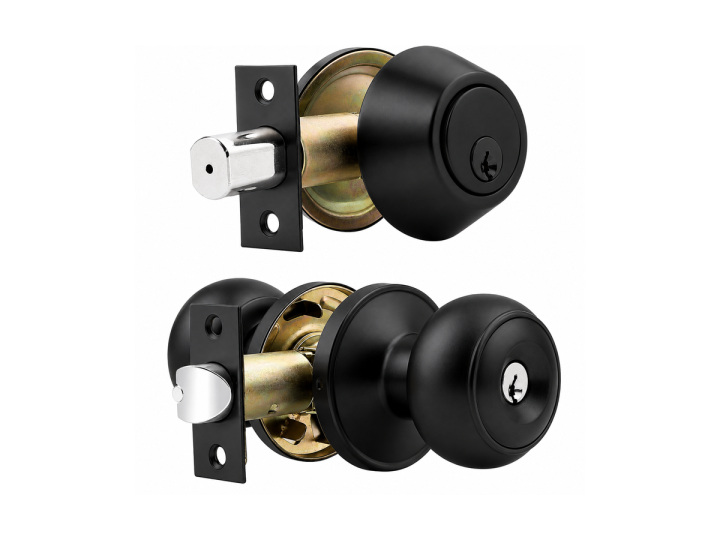
- Guest room entrance — entrance function (ET) with a matching deadbolt, keyed to the room, with floor and grand masters above it.
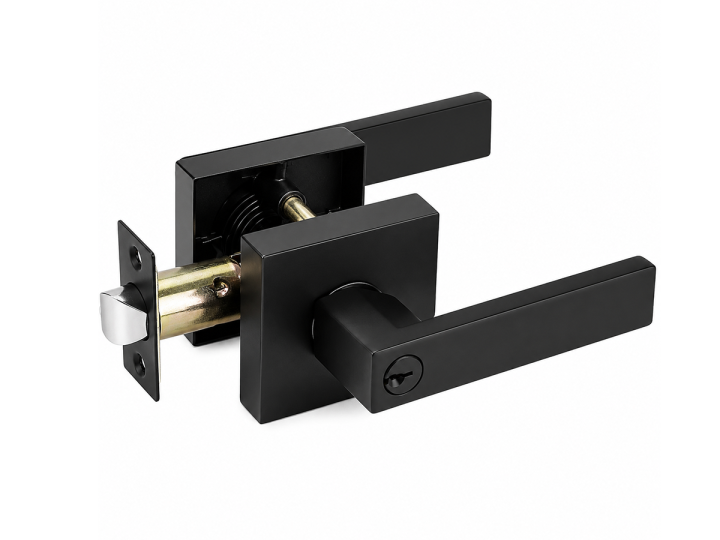
- Guest bathroom — privacy (BK) with emergency release, or indicator privacy (BL) in suites and accessible rooms.
- Connecting doors — double cylinder or entrance function on both leaves, keyed to the two rooms, so either side can secure it.
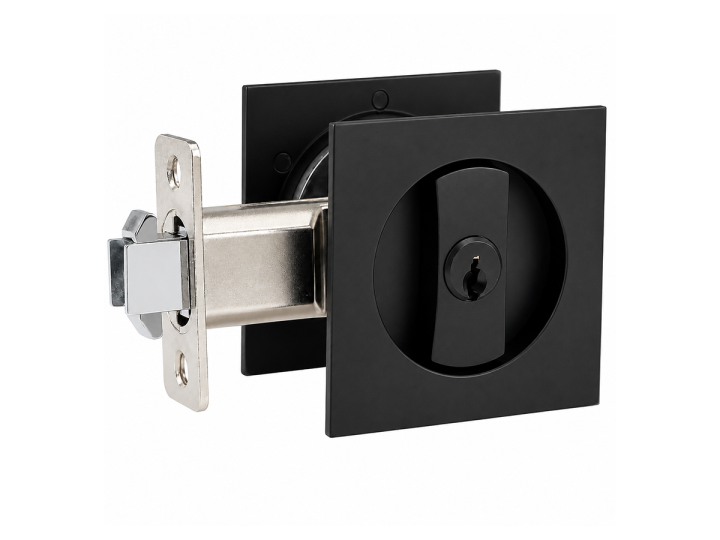
- Wardrobe and dummy leaves — dummy trim (DL), matching the room set visually.
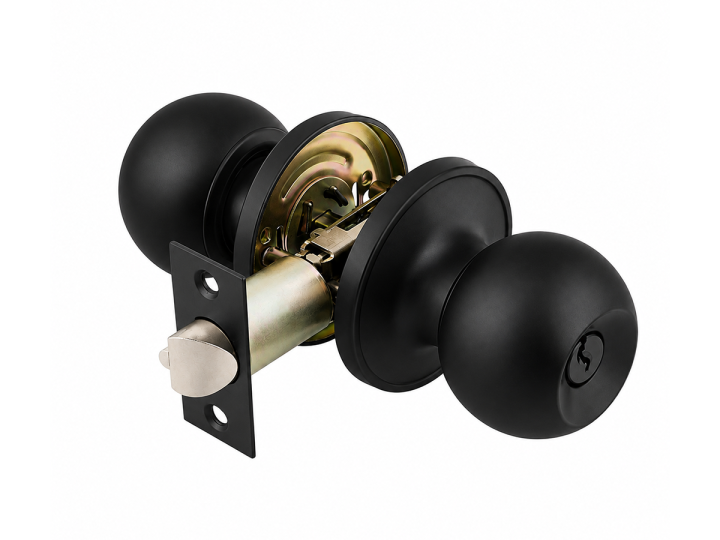
- Corridor and lobby — passage (PS) on a heavy-duty chassis; these doors see more cycles than anything in the building.
- Housekeeping and linen — storeroom (ST), on the housekeeping master.
- Plant, riser and comms — storeroom (ST), on a separate engineering master, never on housekeeping.
Three decisions that cause re-orders
- Handing. Order reversible where the design allows it. On two hundred doors, a handing error is a container, not a carton.
- Backset. Confirm 60 or 70 mm against the actual door prep, in writing, from the joinery supplier — not from the drawing.
- The key hierarchy. Agree it with the operator before production. Retro-fitting a master level means re-pinning every cylinder.
Finish strategy
Pick one finish family for the whole property and stay in it. Guest-facing doors can carry a decorative finish; back-of-house can drop to a plated finish without anyone noticing, and will wear better under trolleys and keys.
Spares
Order 3–5% spare sets and a box of loose cylinders, latches and thumb-turns with the main shipment. Shipping four locks by air two years later costs more than the spares did.
What to send for a quotation
A door schedule with function, finish, handing and key group per door type, plus quantities. If you have that, a full hotel can be quoted in a day.
Leave a Reply