
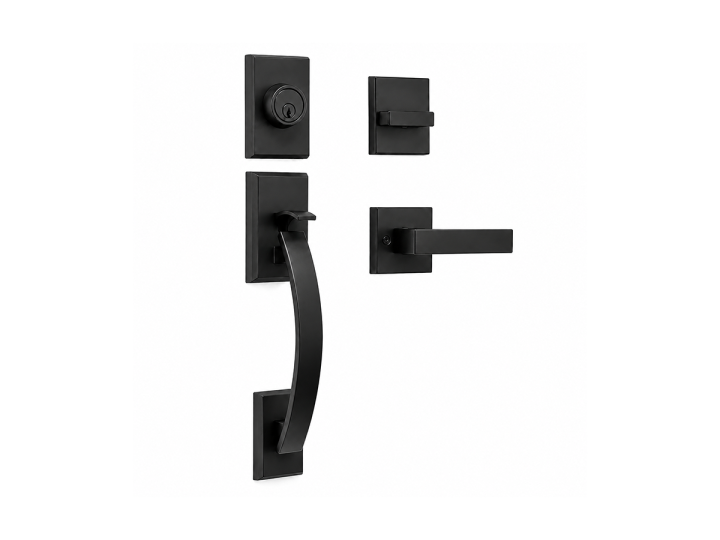
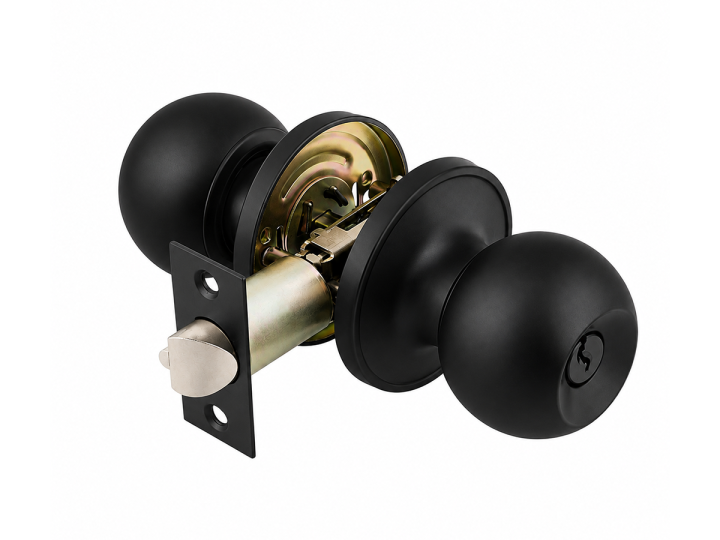
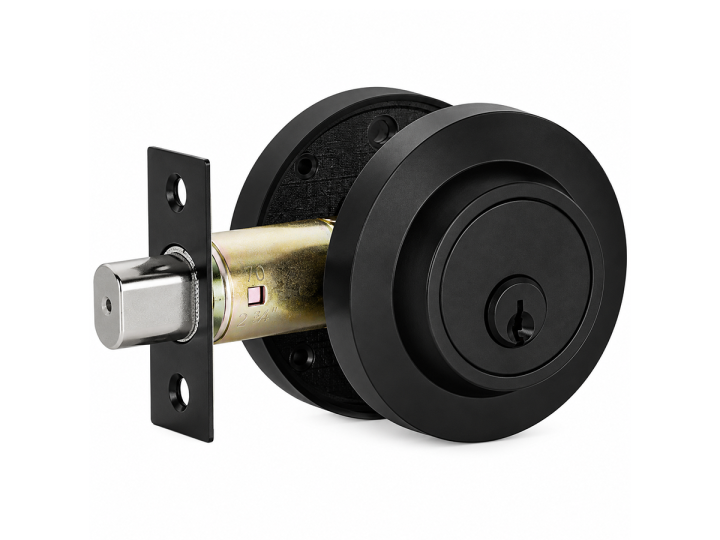
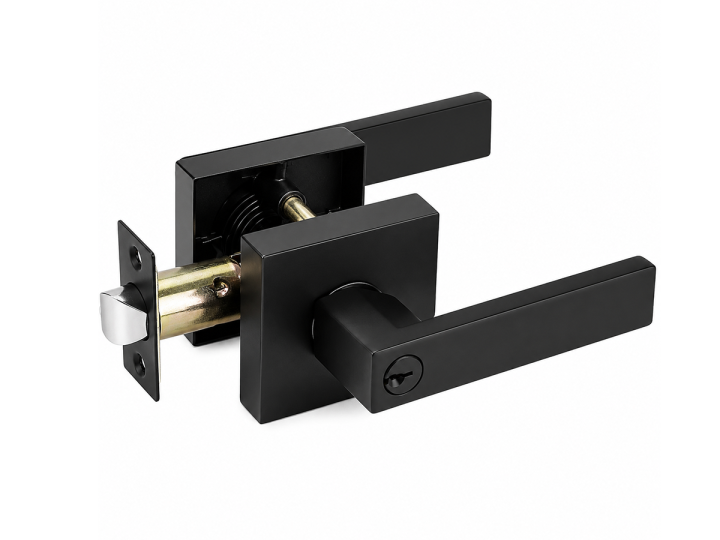
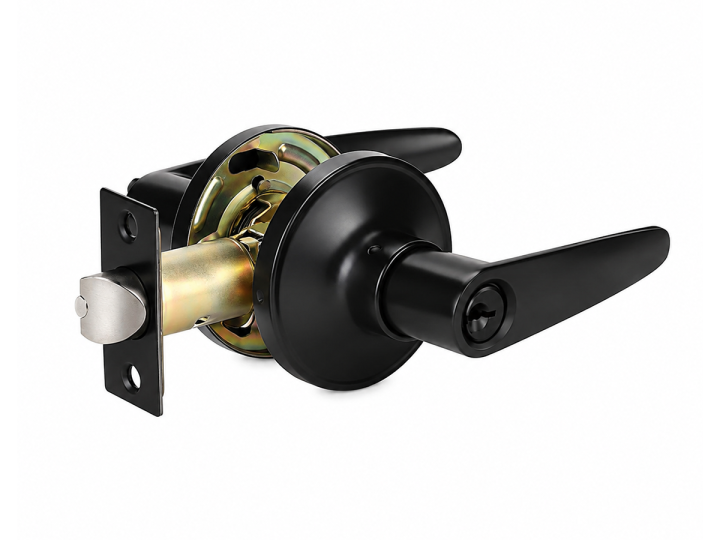
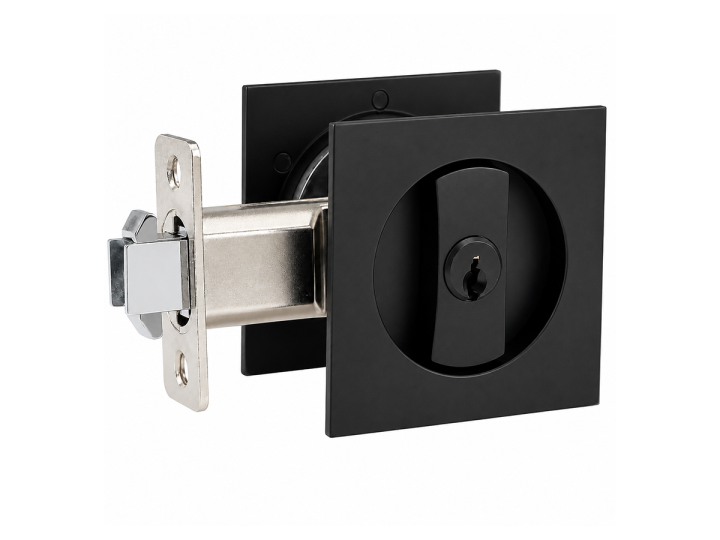
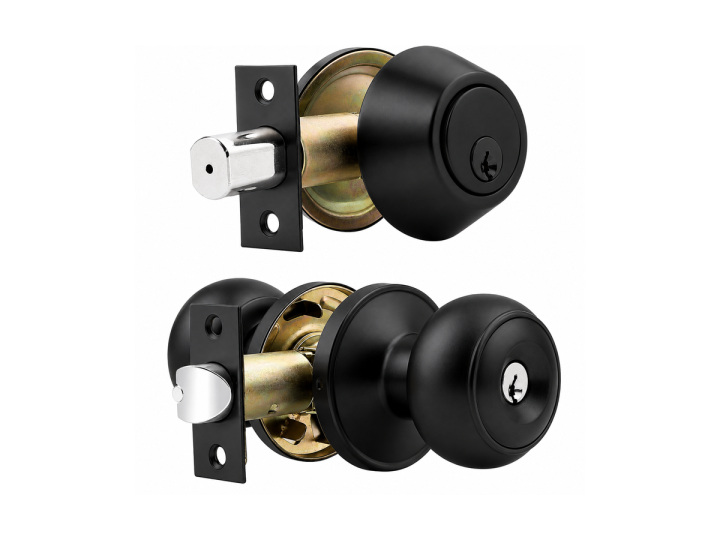
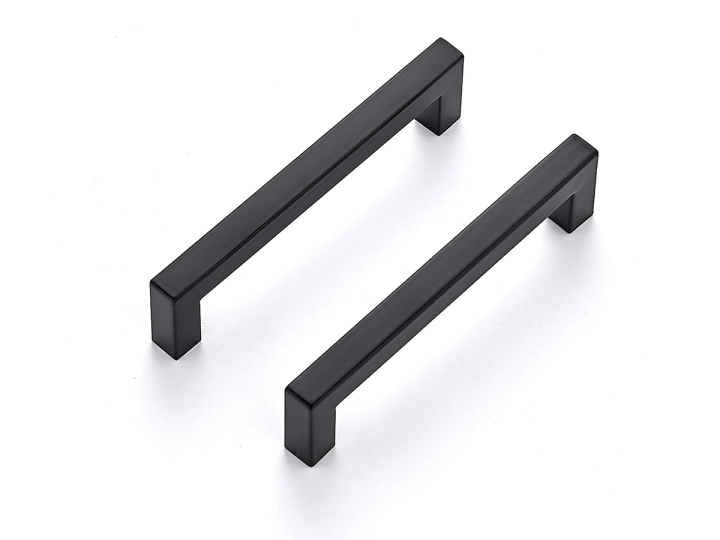
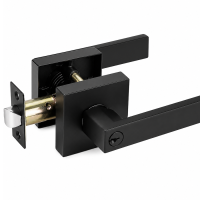
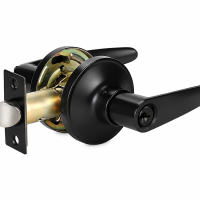
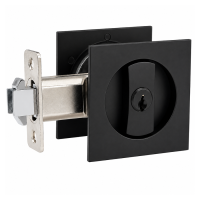
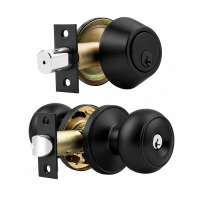
Three materials cover almost all mechanical door hardware. Each is chosen for a reason, and the reason is rarely the one used in marketing copy.
Zinc alloy (zamak)
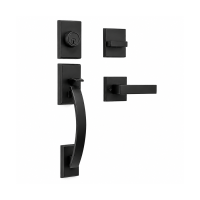
The workhorse for escutcheons, levers, knobs and handleset grips. It die-casts at low temperature into fine detail with excellent dimensional stability, takes plating and coating beautifully, and is dense enough to feel substantial in the hand. Every decorative shape in our catalogue is zinc alloy for exactly these reasons.
Its limit is corrosion in salt air when the coating is breached. That is a finish question, not a material question — specify a plated finish for exposed coastal doors.
Stainless steel
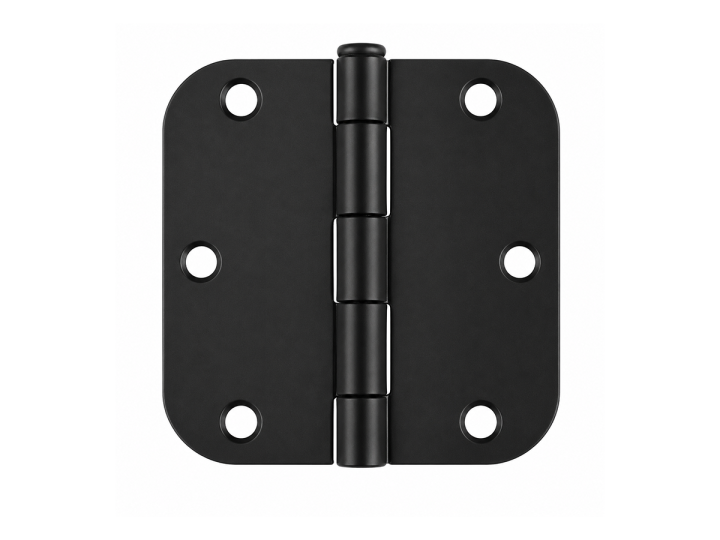
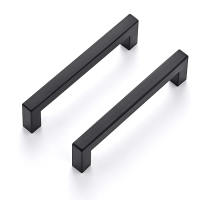
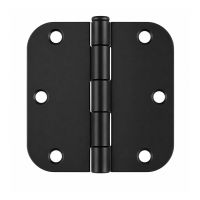
Used where the part is structural, exposed or must not corrode: pull handles, hinge leaves, latch faceplates and strike plates. SS 201 is the value grade and is what most hinges use; SS 304 costs more and resists corrosion better. If a supplier says “stainless” without a grade, ask which one — the difference in coastal performance is large.
Brass
Cylinders and pins are brass because it machines precisely and does not gall against a steel key. “Solid brass” on a lever or rose is less common than the phrase suggests; more often it means a brass-plated zinc alloy part, which is not dishonest but is worth confirming.
Steel
Hidden inside almost everything: chassis, springs, spindles, deadbolt cores and the hardened insert in a deadbolt throw. Where security is being tested, it is steel doing the work regardless of what the visible surface is made of.
How to read a specification
- Ask what the visible trim is made of, and what the chassis is made of. They are usually different.
- For stainless parts, ask for the grade.
- For “brass”, ask whether it is solid or plated.
- For the coastal case, the finish family matters more than any of the above.



Leave a Reply